韩媒:Clobot 联手MIT启动117亿韩元产线异常安全恢复项目
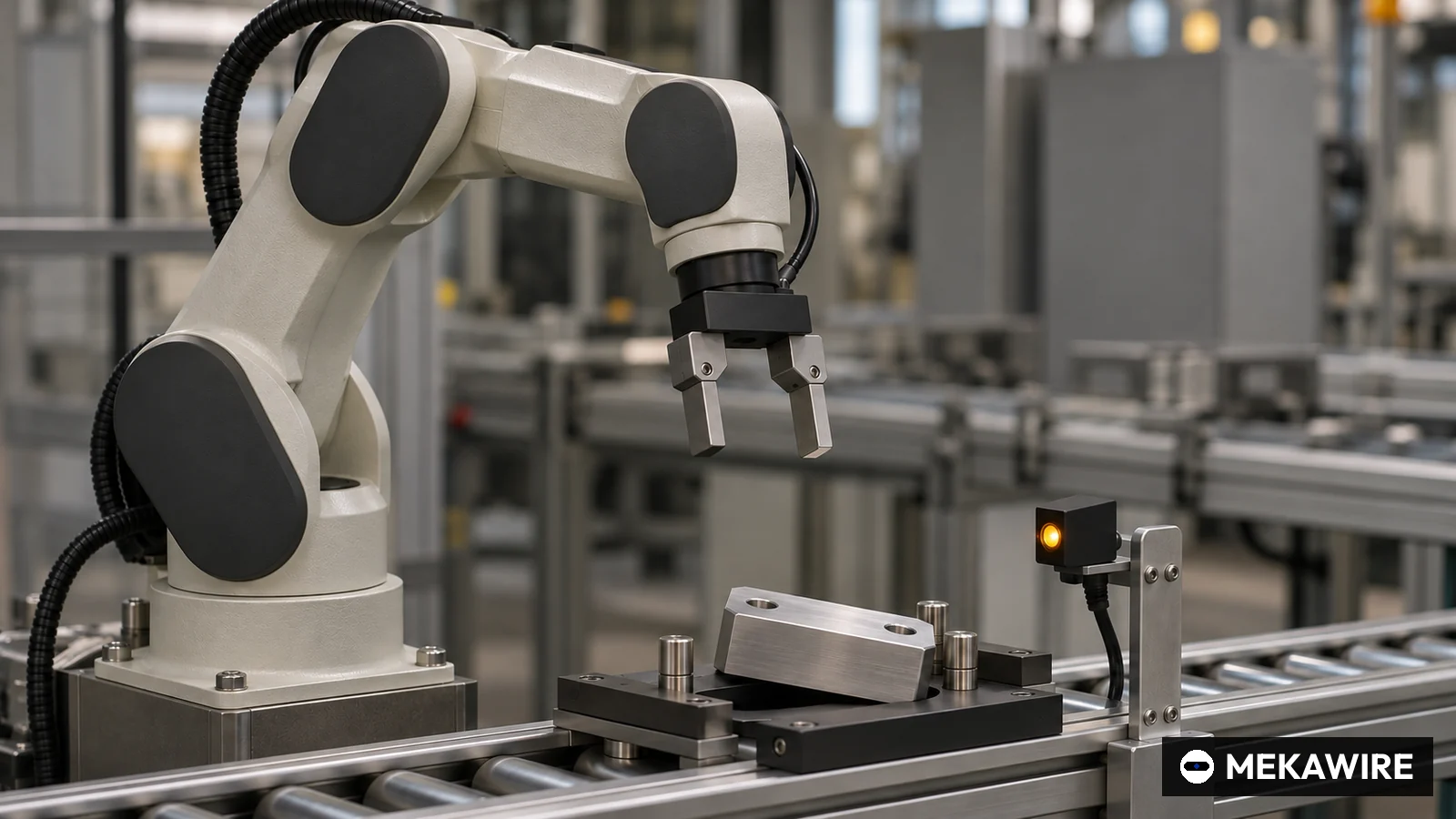
据韩国《机器人新闻》和《东亚日报》11月27日报道,韩国机器人软件企业 Clobot 已与麻省理工学院 REALM 实验室启动一项约5年的研究项目,开发让机器人在产线异常时自主识别并安全恢复的技术。联合体总研发经费117.3亿韩元,其中政府资助100亿韩元。Clobot 官网和公告尚未发布相关消息。
据韩国《机器人新闻》11月27日报道,Clobot 表示,已在韩国产业通商部与韩国产业技术振兴院(KIAT)的“全球产业技术合作中心(GITCC)”国际联合研发项目中,与麻省理工学院签署协议,由后者担任海外联合研究机构,研究已经启动。《东亚日报》等也作了报道。MEKAWIRE 未在 Clobot 官网或 DART 公告中找到相关发布,以下数字均为媒体转述的公司说法。
产线停摆时,由机器人自己恢复
报道称,项目全称为“面向制造工序自主化与异常应对的安全智能型垂直AI与VLA核心技术开发”,周期约5年。联合体总研发经费117.3亿韩元,其中政府资助100亿韩元。Clobot 牵头,MIT 可靠自主系统实验室(REALM)、韩国电子技术研究院(KETI)和汽车零部件企业 Hwaseung R&A 共同参与。
思路是保留正常的自动化工序,只为造成停线的非结构化异常加一层智能。研究团队计划开发一套系统,由多个AI智能体分工判断状况、制定恢复方案,再由视觉语言动作(VLA)模型转化为机器人动作。REALM 负责开发安全层,目标是在执行前验证AI生成的动作,若存在碰撞或用力过大的风险,就修正路径和速度。Clobot 负责智能体协同系统、现场执行与系统集成,KETI 开发制造专用VLA和工业数据体系,Hwaseung R&A 提供工艺需求与现场数据,并在其汽车零部件产线上验证。
从公告看 Clobot 的底子
- 项目总研发经费(约5年,联合体合计)
- 117.3亿韩元
- 据《机器人新闻》报道的 Clobot 发布
- 其中政府资助
- 100亿韩元(约85%,MEKAWIRE 计算)
- 同上
- Clobot 2026年第三季度营收
- 217.3亿韩元,同比增长102.4%
- 三季报,DART,11月16日
- Clobot 第三季度经营业绩
- 亏损20.7亿韩元
- 三季报,DART
- 剔除斗山物流解决方案后的三季度营收
- 约101.1亿韩元,下降5.8%(MEKAWIRE 计算)
- 三季报,DART
政府资助占比 = 100 / 117.3。项目数字为媒体报道的公司发布。季度数字取自 DART 公告,增速及剔除斗山物流解决方案后的营收为 MEKAWIRE 计算。
截至 2026年11月27日
Clobot 在 DART 披露的三季报显示,第三季度营收217.3亿韩元,同比增长102.4%,经营亏损20.7亿韩元。正如 MEKAWIRE 11月17日报道,增长主要来自9月1日起并表的斗山物流解决方案,剔除后季度营收按我们计算下降5.8%。
MEKAWIRE 分析
对 Clobot 而言,这是一家机器人调度与编排软件公司借助以公共资金为主的预算,获取“可验证的安全恢复”能力;成败取决于这套方法能否走出一家汽车零部件工厂。
按 MEKAWIRE 计算,约85%的预算来自政府。反方观点是,异常处理是工厂自动化中最难的环节,政府资助的五年期VLA项目常以演示告终。对中国同行而言,国内具身智能企业也在争夺真实产线数据,能拿到量产线验证结果的一方更有说服力。值得关注:Clobot 2026年年报、Hwaseung R&A 产线的首批验证结果,以及 REALM 与 Clobot 的联合论文。
- 117.3亿韩元,约5年,联合体合计
- 100亿韩元,约85%(MEKAWIRE 计算)
- MIT REALM 实验室、KETI、Hwaseung R&A
- Hwaseung R&A 汽车零部件产线
- 217.3亿韩元,增长102.4%(DART)
- 媒体报道,未见公司发布
为何重要
A trial on Hwaseung R&A's auto-parts lines gives Clobot a chance to measure whether robots can safely resume production after unexpected faults. Korean outlets reported that the roughly five-year project had started, citing Clobot. Government funding covers about 85% of the KRW 11.73bn consortium budget, and Clobot's share was not reported.
竞争对手分析
Clobot already sells CHAMELEON for autonomous navigation and CROMS for multi-robot control. A competitive benchmark would compare restart times and operator intervention rates under equivalent fault conditions. The supplied material names no rivals, provides no comparative results and does not say whether the recovery capability will be integrated into either product.
估值背景
Clobot has traded on KOSDAQ since October 2024, and its August 2026 shareholder rights offering raised $81.8M. The offering amount is financing proceeds, and the supplied figures include no market cap, disclosed valuation or valuation estimate. Clobot reported KRW 21.73bn in Q3 revenue, up 102.4%. The KRW 11.73bn project budget covers the full consortium.
研究依据
No related papers or technical results were supplied. MIT's Reliable Autonomous Systems Lab is a project partner, but the supplied material gives no evidence on which fault types the system can handle or how safely it recovers.
供应链影响
Hwaseung R&A provides the auto-parts production lines for testing, with MIT's REALM Lab and KETI named as consortium partners. The reporting does not identify the robot or controller suppliers or specify who will handle integration. Those details will help assess whether the approach can transfer to plants with different equipment.
后续看点
An announcement from Clobot could clarify its funding allocation and technical milestones. At the factory trial, watch for the range of faults tested, time to safe restart and frequency of operator intervention. A paid rollout or deployment on a second line would help gauge demand and repeatability.
分析师观点
The project gives Clobot a factory setting to test whether safe recovery reduces downtime enough to justify a commercial offering. The supplied material gives no contract value or revenue schedule for Clobot. Measured gains on the test line and a paid follow-on deployment would provide a basis for assessing the revenue opportunity.
值得追问的问题
How much of the consortium budget is allocated to Clobot, and what costs will it cover? Which faults will the trial test, and what criteria must a robot meet before restarting? Who will own the resulting software and have the right to sell it?