Clobot、MITと117億ウォンの例外対応ロボット課題に着手と韓国紙報道
韓国のロボットソフトウェア企業Clobotが米MITのREALM研究室と、製造ラインの異常をロボットが自ら認識し安全に復旧する技術の開発に着手したと、ロボット新聞や東亜日報など韓国メディアが27日に報じた。約5年の課題で、コンソーシアム全体の研究開発費は政府支援100億ウォンを含む117億3000万ウォン。
韓国ロボット新聞の27日の報道によると、Clobotは韓国産業通商部と韓国産業技術振興院(KIAT)の「グローバル産業技術協力センター(GITCC)」国際共同研究開発課題で、米マサチューセッツ工科大学(MIT)を海外共同研究機関とする協約を結び、研究を始めたと明らかにした。東亜日報なども同じ内容を伝えた。MEKAWIREはClobotのウェブサイトやDARTの開示で発表を確認できておらず、以下の数値は報道された同社の説明に基づく。
ライン停止時に技術者を待たずロボットが復旧
報道によると、課題名は「製造工程の自律化と例外状況対応のための安全知能型バーティカルAIとVLAの中核技術開発」で、期間は約5年。研究開発費はコンソーシアム全体で117億3000万ウォン、うち政府支援金が100億ウォン。Clobotが主管し、MITの信頼性自律システム研究室(REALM)、韓国電子技術研究院(KETI)、自動車部品メーカーのHwaseung R&Aが共同で参加する。
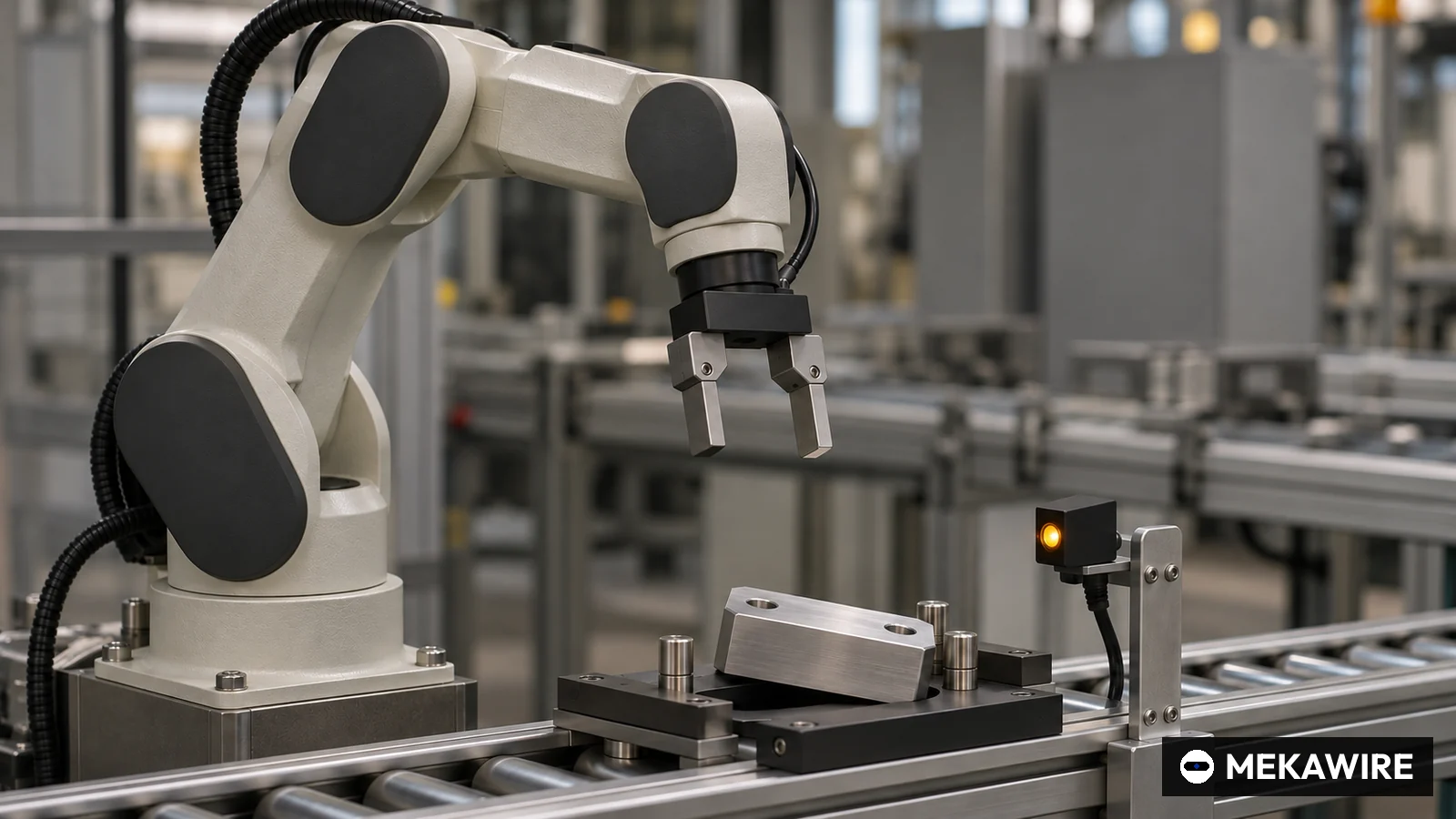
通常の自動化工程はそのままに、ラインを止めてきた非定型の例外状況に対応する知能を加える。研究陣は、複数のAIエージェントが役割を分けて状況を判断し復旧計画を立て、視覚言語行動(VLA)モデルがそれをロボットの動作に変える技術を開発する計画だ。REALMはAIが生成した動作を実行前に検証し、衝突や過大な力の危険があれば経路と速度を補正する安全技術の開発を担う。Hwaseung R&Aの自動車部品ラインで実証する。
開示で見るClobotの体力
- 課題の総研究開発費(約5年、コンソーシアム全体)
- 117億3000万ウォン
- ロボット新聞などが報じたClobotの発表
- うち政府支援金
- 100億ウォン(約85%、MEKAWIRE計算)
- 同上
- Clobotの2026年7〜9月期売上高
- 217億3000万ウォン、102.4%増
- 四半期報告書、DART、11月16日
- 同期の営業損益
- 20億7000万ウォンの赤字
- 四半期報告書、DART
- 斗山ロジスティクスソリューションズを除く売上高
- 約101億1000万ウォン、5.8%減(MEKAWIRE計算)
- 四半期報告書、DART
政府支援比率 = 100億 / 117億3000万。課題の数値は報道されたClobot発表に基づく。四半期の数値はDARTの開示から取り、増減率と斗山ロジスティクスソリューションズを除く売上高はMEKAWIREの計算。
2026年11月27日時点
DARTの四半期報告書によると、7〜9月期の売上高は217億3000万ウォンで102.4%増、営業損益は20億7000万ウォンの赤字だった。MEKAWIREが11月17日に報じた通り、増収の大半は9月1日に連結した斗山ロジスティクスソリューションズによるもので、これを除くと売上高はMEKAWIREの計算で5.8%減った。
MEKAWIRE分析
今回の課題は、ロボット管制とオーケストレーションのソフト企業で物流事業も抱えたClobotが、大半を公的資金で賄いながら「検証済みの安全な復旧」技術を手に入れる機会だ。成否はこの手法が1社の部品工場を超えて広がるかにかかる。
MEKAWIREの計算では予算の約85%が政府資金だ。最大の反論は、例外対応が工場自動化で最も難しい領域で、5年間の公的VLA課題はデモで終わりがちな点だ。チョコ停対策に悩む日本の部品メーカーにとっても、実行前の形式検証という発想は参考になる。注目点はClobotの2026年度事業報告書、Hwaseung R&Aのラインでの初の実証結果、REALMとClobotの共同論文となる。
- 117億3000万ウォン、約5年、コンソーシアム全体
- 100億ウォン、約85%(MEKAWIRE計算)
- MIT REALM研究室、KETI、Hwaseung R&A
- Hwaseung R&Aの自動車部品ライン
- 217億3000万ウォン、102.4%増(DART)
- 報道ベース、同社資料は未確認
なぜ重要か
A trial on Hwaseung R&A's auto-parts lines gives Clobot a chance to measure whether robots can safely resume production after unexpected faults. Korean outlets reported that the roughly five-year project had started, citing Clobot. Government funding covers about 85% of the KRW 11.73bn consortium budget, and Clobot's share was not reported.
競合分析
Clobot already sells CHAMELEON for autonomous navigation and CROMS for multi-robot control. A competitive benchmark would compare restart times and operator intervention rates under equivalent fault conditions. The supplied material names no rivals, provides no comparative results and does not say whether the recovery capability will be integrated into either product.
企業価値の背景
Clobot has traded on KOSDAQ since October 2024, and its August 2026 shareholder rights offering raised $81.8M. The offering amount is financing proceeds, and the supplied figures include no market cap, disclosed valuation or valuation estimate. Clobot reported KRW 21.73bn in Q3 revenue, up 102.4%. The KRW 11.73bn project budget covers the full consortium.
裏付けとなる研究
No related papers or technical results were supplied. MIT's Reliable Autonomous Systems Lab is a project partner, but the supplied material gives no evidence on which fault types the system can handle or how safely it recovers.
サプライチェーンへの影響
Hwaseung R&A provides the auto-parts production lines for testing, with MIT's REALM Lab and KETI named as consortium partners. The reporting does not identify the robot or controller suppliers or specify who will handle integration. Those details will help assess whether the approach can transfer to plants with different equipment.
今後の注目点
An announcement from Clobot could clarify its funding allocation and technical milestones. At the factory trial, watch for the range of faults tested, time to safe restart and frequency of operator intervention. A paid rollout or deployment on a second line would help gauge demand and repeatability.
アナリストの見方
The project gives Clobot a factory setting to test whether safe recovery reduces downtime enough to justify a commercial offering. The supplied material gives no contract value or revenue schedule for Clobot. Measured gains on the test line and a paid follow-on deployment would provide a basis for assessing the revenue opportunity.
問うべき論点
How much of the consortium budget is allocated to Clobot, and what costs will it cover? Which faults will the trial test, and what criteria must a robot meet before restarting? Who will own the resulting software and have the right to sell it?