FORT Robotics提交S-4:前九月营收增53%,净亏损800万美元,估值下调至5亿美元
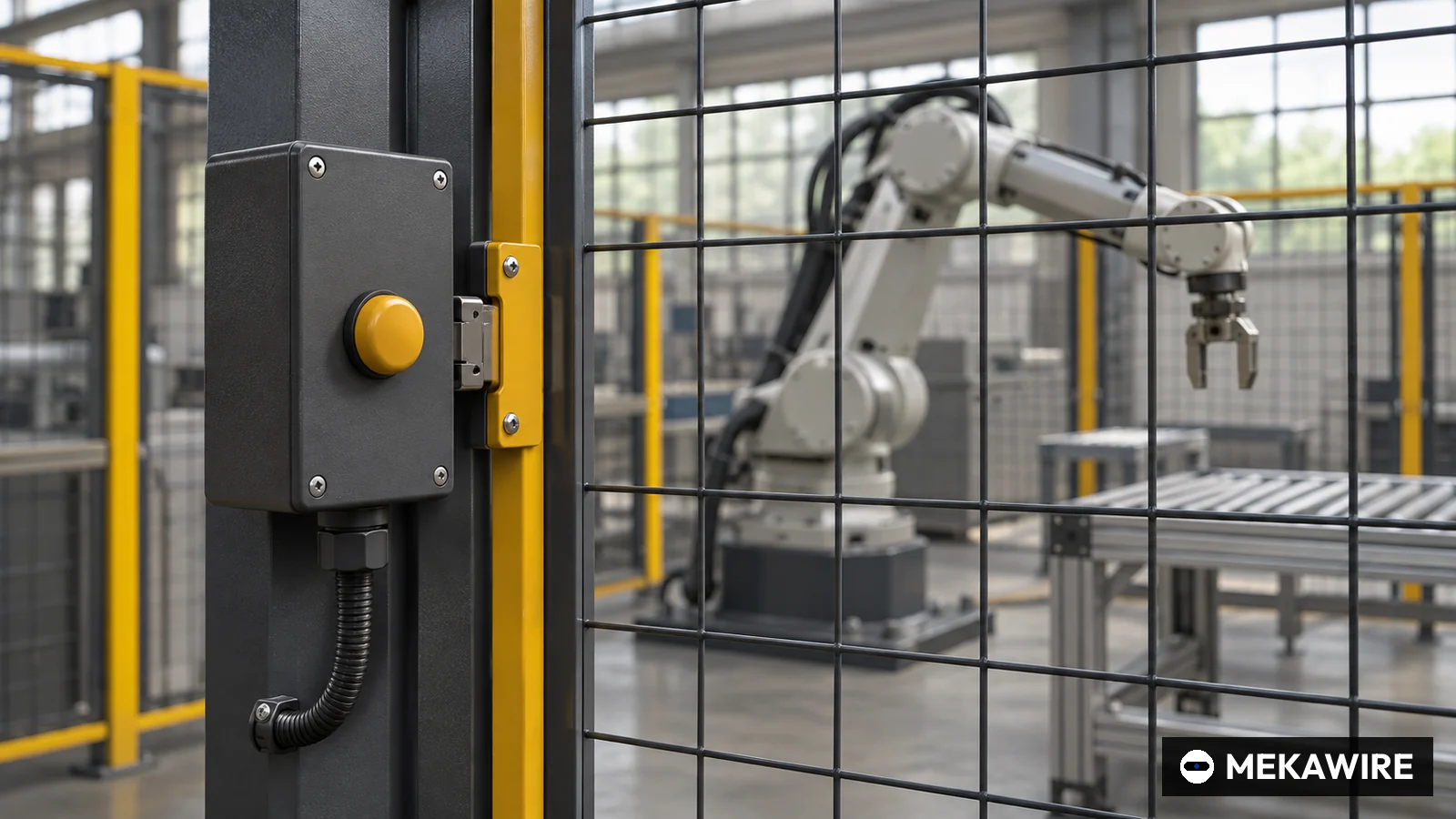
正通过拟议中的与SPAC Newbury Street II合并寻求登陆纳斯达克的机器人安全控制企业FORT Robotics于11月16日表示,2026年前九个月营收同比增长52.5%至1250万美元。11月13日提交的S-4注册文件还披露了另一面:同期净亏损800万美元,9月末现金仅170万美元,且在PIPE谈判中合并前估值由6亿美元下调至5亿美元。
FORT Robotics于2026年11月16日发布新闻稿称,今年前九个月营收同比增长52.5%至1250万美元,最近四个季度营收为1590万美元,毛利率由66.6%升至67.6%。该新闻稿由其合并对象、SPAC公司Newbury Street II Acquisition Corp(纳斯达克代码NTWO)提交美国证监会。数据来自双方11月13日公开提交、尚未获SEC宣布生效的S-4注册文件。
文件显示亏损扩大、现金偏紧
新闻稿强调增长,S-4则给出了另一组数字。前九个月净亏损800万美元,上年同期为330万美元;经营活动现金净流出740万美元。截至9月30日,公司现金为170万美元,列为流动负债的SAFE负债公允价值为880万美元。文件称,上述情况一度令公司持续经营能力存在重大疑虑,管理层认为此后完成的融资已消除这一疑虑。MEKAWIRE曾于10月22日报道,FORT预计完成由Tiger Global领投、现有投资方参与的约1000万美元融资。11月16日的新闻稿称该笔融资已于10月完成,与合并相关的承诺资金已超过5000万美元。
签约前估值已被下调
S-4还披露了定价过程。根据PIPE路演反馈,双方把FORT合并前股权估值由6亿美元降至5亿美元,首期PIPE规模由6500万美元降至3125万美元。文件称,下调后的5亿美元合并前估值相当于2025财年营收的43.2倍。
- Doosan Robotics
- 150x
- Aeva Technologies
- 100x
- Serve Robotics
- 86x
- Ondas
- 83x
- Richtech Robotics
- 9x
- FORT,合并后企业价值5.57亿美元对应2025财年营收
- 48.0x
- FORT,合并前股权价值5亿美元对应2025财年营收
- 43.2x
- FORT,5亿美元对应最近四个季度营收15,881,352美元(MEKAWIRE计算)
- 31.5x
可比公司倍数为投资者演示材料所列、并在S-4中引用的企业价值与2025年营收之比(中位数86倍)。最后一行以合并前股权价值5亿美元除以根据S-4数据推算的最近四个季度营收15,881,352美元(2026年前九个月营收加2025财年营收再减2025年前九个月营收,MEKAWIRE计算)。
截至 2026年11月13日
MEKAWIRE 分析
FORT以“所有机器人车队的安全基础设施”定价,但文件显示,它仍是一家年营收约1600万美元、靠一轮轮融资填补亏损的供应商。
按演示材料自身口径,即合并后企业价值对2025年营收,FORT为48.0倍,低于可比公司86倍的中位数。按最近四个季度营收计算,5亿美元估值约为营收的31.5倍(MEKAWIRE计算)。不过可比公司口径混杂,斗山机器人和Serve Robotics卖整机,Aeva卖激光雷达。FORT卖的是无线急停装置和安全控制器。新闻稿称,其Trust Layer平台已部署在超过2.3万台设备上,客户超过680家,包括Agility Robotics、DoorDash、Zoox和Google DeepMind。S-4显示,前九个月没有单一客户贡献超过10%的营收。
对中国机器人企业而言,值得关注的是欧盟法规。新闻稿称FORT正赶在欧盟《机械法规》和《网络韧性法案》实施前进入欧洲。若经认证的安全控制成为出口欧洲的必备部件,中国整机厂也会成为这类产品的买家。后续节点包括S-4获SEC宣布生效、NTWO股东大会的赎回比例,以及双方预计在2026年第四季度或2027年第一季度完成的合并,届时股票代码为FROB。
- 1250万美元,同比增长52.5%
- 1590万美元
- 800万美元(上年同期330万美元)
- 170万美元,九个月经营现金流出740万美元
- 5亿美元(由6亿美元下调)
- 最近四个季度营收的31.5倍(MEKAWIRE计算)
- 超过2.3万台设备,超过680家客户
- 2026年第四季度或2027年第一季度,代码FROB
为何重要
FORT reported more than 23,000 deployed units across more than 680 customers, and nine-month revenue rose 52.5% to $12.5 million. Its net loss widened to $8.0 million from $3.3 million a year earlier. The filing figures leave open how much revenue comes from repeat orders or follow-on sales to existing customers.
竞争对手分析
The supplied companies are adjacent robotics businesses. Agility sells humanoids for warehouses and manufacturing, Serve operates delivery and hospital robots, and Richtech makes service robots for hospitality and healthcare. The material names no direct rival for FORT's wireless emergency stops and safety controllers and gives no basis for comparing market share.
估值背景
FORT's disclosed pre-money transaction valuation fell from $600 million to $500 million during PIPE talks. The $500 million figure equals about 31.5 times last-four-quarter revenue of $15.9 million, a MEKAWIRE calculation. The material provides no public market capitalization for FORT. Agility's $2 billion is a disclosed valuation, and the material provides no revenue figure for calculating a comparable multiple.
研究依据
The supplied material includes no research papers or independent test results. It gives no data on emergency-stop response times or reliability under wireless interference, both relevant to evaluating FORT's controls across deployment settings.
供应链影响
FORT supplies wireless emergency stops and safety controllers for robots and other machines. The material names no FORT component suppliers or manufacturing partners and gives no information on lead times or alternate sources. Investors therefore have limited visibility into whether production can keep pace with revenue growth.
后续看点
Watch for final PIPE commitments, expected net cash at closing, and confirmation of the Q4 2026 or Q1 2027 closing window for the proposed Nasdaq listing under FROB. FORT held $1.7 million in cash on September 30 after using $7.4 million in operations over nine months. The October $10 million venture round came after that cash snapshot, and the supplied figures do not establish current runway.
分析师观点
At 31.5 times trailing revenue, the proposed valuation is sensitive to whether FORT can sustain growth while reducing operating cash use. The breadth of its customer base makes expansion within existing accounts worth testing, and the supplied figures omit customer concentration and gross margins.
值得追问的问题
How much cash will FORT receive at closing after redemptions and transaction expenses? What share of revenue comes from repeat orders and the largest customers? How do gross margins vary across FORT's products, and what operating milestones would reduce cash burn?