日本首相高市早苗会见物理AI企业,重申2040年导入1000万台AI机器人目标,企业要求多年期支持
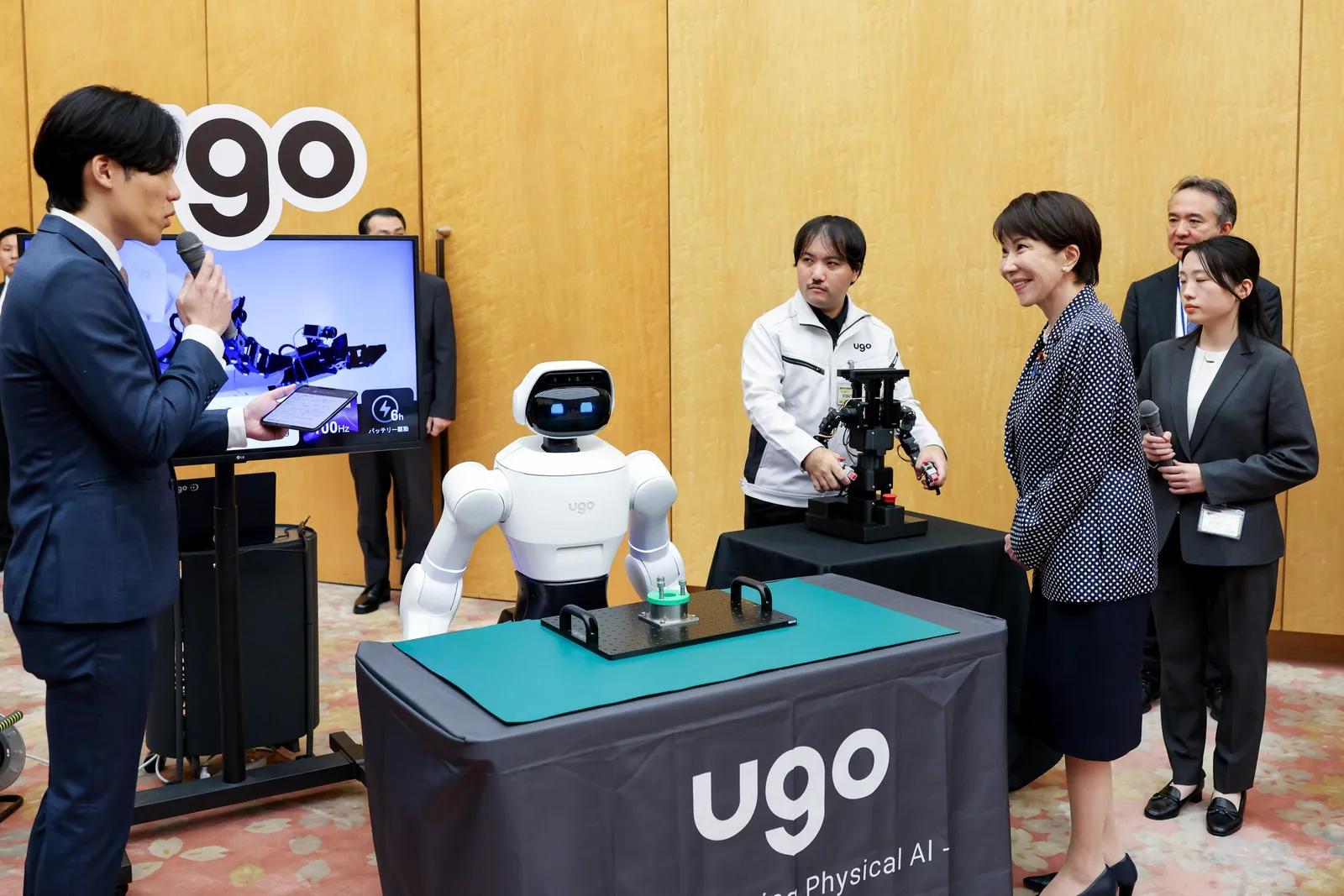
日本首相高市早苗11月12日在首相官邸与物理AI企业座谈,重申政府2040年目标:导入约1000万台AI机器人,获取占全球三成以上、规模20万亿日元的市场。首相列举的企业诉求包括从研发到量产的一贯支持、加快国产AI基础开发、政府促进数据汇集的机制及多年期导入支持等,她要求城内大臣将其反映到《日本成长战略实行计划》中,并以可预期的方式明确支持内容和预算。
据日本首相官邸公布的当日记录,首相高市早苗于2026年11月12日在官邸与物理AI相关企业举行意见交流会。她在总结讲话中表示,内阁已把物理AI定位于《日本成长战略》的17个战略领域之中;在战略文件里,物理AI是“AI与半导体”领域的重点。她提到的2040年目标是导入约1000万台AI机器人、获取20万亿日元市场,并称这相当于全球份额三成以上。
企业提出的四项诉求
官邸记录列出了参会企业的要求。其一,为让日本成为全球机器人供应链的核心,对国产机器人和关键零部件从研发、实证到量产基地建设给予一贯支持。其二,加快国产AI基础模型开发。其三,建立类似GENIAC的政府主导数据汇集机制。其四,提供支撑初期需求的多年期导入支持。高市要求城内大臣把这些意见反映到《日本成长战略实行计划》中,并以可预期的方式明确国家支持内容和所需预算。
参会企业之一ugo在11月17日的新闻稿中称,CEO松井健出席并演示了国产半人形机器人ugo Nova。该机器人在工厂产线周边作业,同时收集训练物理AI所需的数据。公司称已累计从日本社会基础设施企业融资50亿日元,并向政府提出提供试用评估场所和人才培养支持等要求。MEKAWIRE曾于10月报道ugo为ugo Nova量产获得的10亿日元债务融资。
MEKAWIRE 分析
日本的目标只有在机器人像汽车一样被批量购买时才算得通。关键在于以预算形式承诺的资金,能否以企业所要求的多年期采购补贴落地。
- 2040年前AI机器人导入量
- 约1000万台
- 11月12日首相讲话
- 2040年市场目标
- 20万亿日元
- 11月12日首相讲话
- 全球份额目标
- 超过30%
- 11月12日首相讲话
- 2040年全球多用途机器人市场预测
- 约60万亿日元
- 政府AI机器人战略资料,20万亿日元约为其三分之一(MEKAWIRE计算)
- 2027至2040年年均所需导入量
- 每年约71.4万台
- 1000万台除以14年(MEKAWIRE计算)
目标为高市早苗首相于2026年11月12日所述。1000万台、20万亿日元及三成以上份额为首相所述,60万亿日元预测出自政府战略资料,约三分之一的占比与年均值为MEKAWIRE计算。
截至 2026年11月12日
这组数字要求很高。2040年1000万台意味着从2027年起年均导入约71.4万台(MEKAWIRE计算);政府战略资料预计2040年全球多用途机器人市场约60万亿日元,20万亿日元约为其三分之一(MEKAWIRE计算)。对中国厂商而言,日本把“国产机器人和关键零部件”与供应链核心地位直接挂钩,意味着未来日本的导入补贴可能向本土供应链倾斜。MEKAWIRE的日本物理AI战略解读指出,日本大企业此前以合作为主,风险投资规模偏小。后续看点包括实行计划文本、首相要求的预算规模,以及是否推出面向机器人的GENIAC式数据项目。
- 2026年11月12日,东京首相官邸
- 2040年前约1000万台
- 20万亿日元,全球份额超30%
- 《日本成长战略》17个战略领域中“AI与半导体”的重点
- 首相列举4项:供应链支持、国产AI、数据汇集、多年期导入支持
- 50亿日元(公司披露)
- 约71.4万台,2027至2040年(MEKAWIRE计算)
为何重要
Japan is targeting about 10 million AI robots deployed and JPY 20 trillion in market capture by 2040, representing more than 30% of the world market. MEKAWIRE calculates that spreading 10 million units evenly across 2027 through 2040 would imply about 714,000 deployments a year. The government's annual targets, deployment baseline and support budget are unspecified.
竞争对手分析
Tokyo-based ugo sells robots for security, guidance and facility inspection. The supplied material names no rival vendors, gives no comparative shipment, pricing or performance data, and does not say which products or companies would be eligible for any support, so ugo's competitive position is unclear.
估值背景
The material reports ugo's total funding to date as JPY 5 billion (company-stated), while the deal database lists total funding of $5.75M. The deal record shows a JPY 850 million ($5.75 million) allotment in January 2024 and an allotment of undisclosed size in May 2025, so the two totals are not explained by the listed deals. The material provides no market cap, disclosed valuation or valuation estimate for ugo. The JPY 20 trillion figure is Japan's policy target for market capture, not a company valuation.
研究依据
The supplied material cites no research papers. The Cabinet Office working group's AI robotics strategy material and the June 24, 2026 Japan Growth Strategy material provide policy context for the deployment and market targets.
供应链影响
Companies asked for support from research through mass production, a point that bears directly on manufacturing. Separate requests covered faster development of domestic AI foundations, a government mechanism for data pooling and multi-year deployment aid. The material identifies no component suppliers, factory commitments or production capacity, leaving manufacturers' ability to support the deployment target unclear.
后续看点
Watch for whether the Japan Growth Strategy execution plan specifies multi-year budgets, eligibility rules and deployment milestones. For ugo, track disclosed fleet orders and rollout schedules as evidence of operational demand following its ugo Nova demonstration.
分析师观点
Multi-year aid could give robot makers more confidence to invest in production if the execution plan specifies funding and eligibility. For ugo, the evidence to track is whether deployment support leads to repeat fleet orders for its business robots.
值得追问的问题
What deployment baseline and counting rules underpin the 10 million unit target? How much funding will cover production and deployment, and on what timetable? What data will companies be able to pool, and who will have access?