《财富》:OpenAI解散独立机器人团队,人员并入研究和应用部门
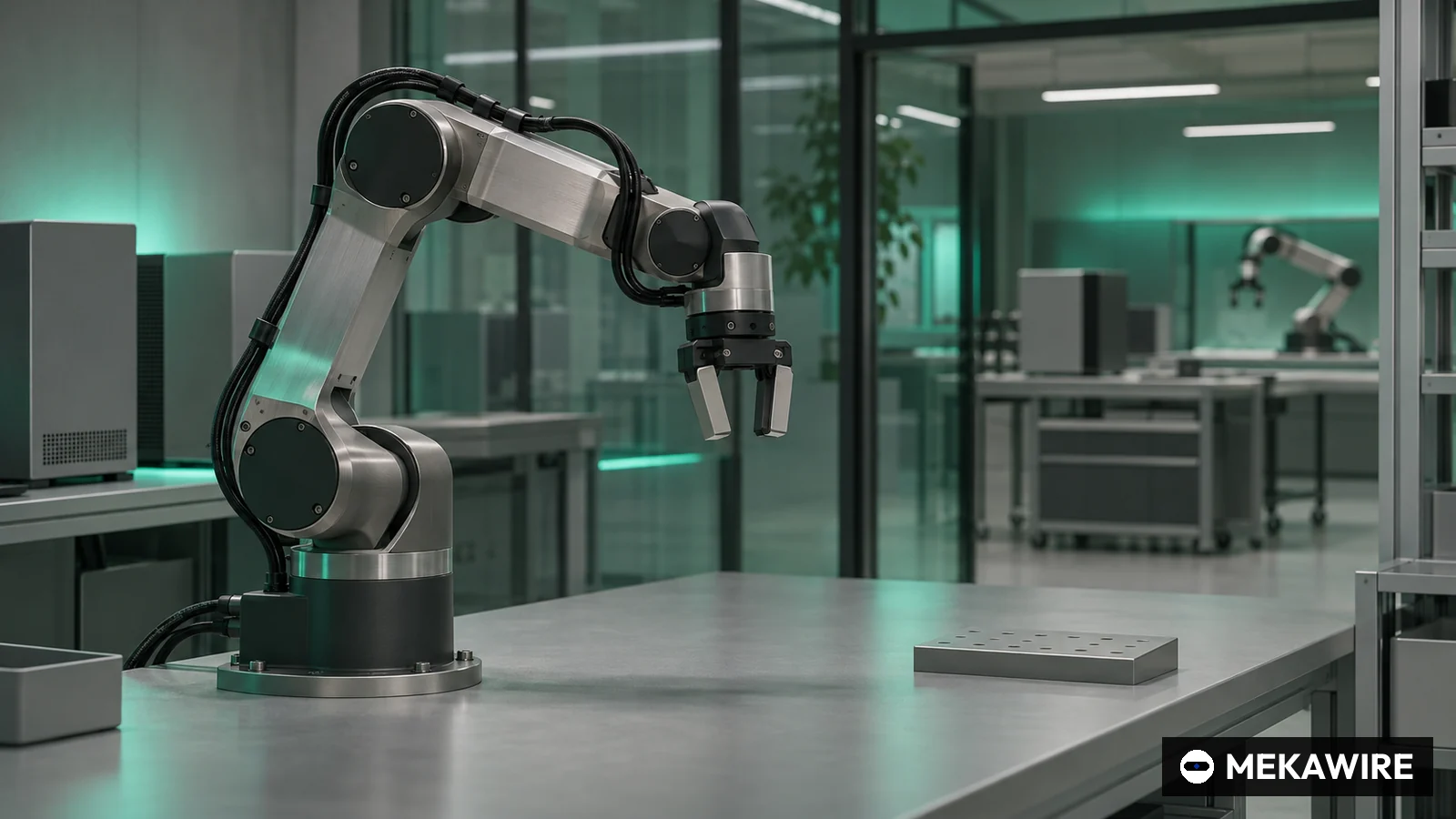
据《财富》11月13日报道,OpenAI已解散独立机器人团队,机器人研究人员并入首席研究官Mark Chen领导的核心研究团队,应用机器人与硬件团队转入总裁Greg Brockman负责的应用部门。OpenAI向该刊确认了调整,称机器人仍是公司长期愿景的核心,GPT-6 Astra等通用模型已可直接用于部分机器人任务。公司此前表示正在研发自有人形机器人,目标在2027年首次公开演示。
据《财富》11月13日独家报道,OpenAI已拆分其2024年重建的机器人团队,公司已向该刊确认。机器人研究人员并入向首席研究官Mark Chen汇报的核心研究团队,应用机器人与硬件团队则转入总裁Greg Brockman负责的应用部门。MEKAWIRE未找到OpenAI就此发布的博客或公告,相关信息来自《财富》的报道及其引述的公司回应,IT之家于11月14日进行了转述。
公司将此次调整定位为加速而非撤退。发言人对《财富》表示,机器人仍是OpenAI长期愿景的核心。公司给出的理由是技术层面的:年初研究人员认为应在视频生成模型Sora等世界建模工作的基础上推进机器人研究,但此后包括GPT-6 Astra在内的通用前沿模型已被证明可直接用于部分机器人任务。IT之家援引报道称,在英伟达的一项研究中,Astra驱动的智能体在模拟操作测试中成功率为74.8%,高于榜单领先专用模型的51.0%;MEKAWIRE未能核实该研究原文。《财富》还发现,OpenAI在本周奥斯汀CoRL机器人学术会议上登记的展位空无一人。
OpenAI机器人业务的第三次变阵
OpenAI在2020年关闭了第一支机器人团队,2024年在与Figure合作的同时重建团队,Figure于2025年2月终止合作。OpenAI表示正在研发自有人形机器人,首席执行官Sam Altman的目标是2027年首次公开演示。新架构保留了这一目标,但取消了专门开发机器人专用模型的独立部门。
对机器人大模型创业公司的影响
- Skild AI
- 2026年1月14日
- C轮
- 14亿美元
- 140亿美元
- Physical Intelligence
- 2025年11月20日
- B轮
- 6亿美元
- 56亿美元
- Figure AI
- 2025年9月16日
- C轮
- 10亿美元
- 390亿美元
MEKAWIRE融资数据库,依据公司公告披露的数字,非估算。三轮合计为MEKAWIRE计算。
截至 2026年11月14日
表中企业融资的逻辑恰恰相反:机器人需要用机器人数据训练的专用基础模型。按MEKAWIRE统计,这三家公司最近一轮融资合计30亿美元,披露估值在56亿至390亿美元之间。在中国,也有不少企业押注专用具身大模型。如果通用模型持续缩小差距,专用模型的价值将更多转向数据、硬件和落地部署。
MEKAWIRE 分析
OpenAI把机器人智能视为其前沿通用模型的下游应用,这意味着它将与所有出售机器人大脑的创业公司正面竞争。
最有力的反驳来自《财富》采访的研究者:大模型运行速度慢、依赖云端连接,也缺少机器人企业在现场积累的数据。值得关注的信号包括:体现新汇报关系的OpenAI机器人发布或招聘信息、2027年人形机器人演示进度,以及Figure、Physical Intelligence和Skild AI是否发布与通用模型对比的基准结果。
- 解散独立机器人团队(11月13日报道,OpenAI向《财富》确认)
- 并入首席研究官Mark Chen领导的核心研究团队
- 转入总裁Greg Brockman负责的应用部门
- GPT-6 Astra等通用模型可直接用于部分机器人任务
- 目标2027年首次公开演示
- Figure、Physical Intelligence、Skild AI最近一轮合计30亿美元(MEKAWIRE计算)
为何重要
OpenAI is integrating robotics research into Mark Chen's organisation and applied robotics and hardware into Greg Brockman's Applied organisation. Its stated rationale is that general models such as GPT-6 Astra can now serve some robot tasks, making this a test of whether general AI can reduce the need for specialised robotics development. The targeted 2027 humanoid demonstration remains a milestone, but the supplied facts establish neither deployment readiness nor commercial economics.
竞争对手分析
Figure combines humanoid hardware and models, while Physical Intelligence and Skild AI pursue general-purpose models across robot platforms. OpenAI's stated humanoid effort would put it alongside hardware developers, and its general-model approach may overlap with robot model vendors; this is our inference, not a supplied fact. Figure lists OpenAI as a strategic partner, creating potential competitive overlap, but no change to that relationship is supplied. NVIDIA is listed as a potential platform-versus-model rival to Physical Intelligence; its position relative to OpenAI is not supplied.
估值背景
Disclosed valuations are $39B for Figure, $5.6B for Physical Intelligence and $14B for Skild AI; these are private-company valuations, not public market capitalisations. Their latest rounds total $3.0B by MEKAWIRE's calculation ($1B, $600M and $1.4B respectively; Physical Intelligence's round is reported rather than official), which is not cumulative funding. No OpenAI valuation or NVIDIA market cap is supplied, and these figures alone cannot establish relative investment value.
研究依据
Figure's listed work includes A Dual-System Vision-Language-Action Architecture for Whole-Upper-Body Humanoid Control. Physical Intelligence lists π0.5 on open-world generalization, while Skild lists Massively Parallel Sim-to-Real for Humanoid Locomotion. No methods, results or comparable benchmarks are supplied, so these titles cannot establish a performance ranking.
供应链影响
OpenAI's hardware staff move to Applied, but no component suppliers, manufacturing partners or production capacity are identified. Figure lists BMW Manufacturing as a pilot partner, while Physical Intelligence lists unnamed hardware OEMs as customers. NVIDIA lists Agility Robotics as a customer, but the supplied facts do not establish procurement volumes or supplier dependence.
后续看点
Watch whether OpenAI reaches its targeted 2027 public humanoid demonstration and discloses task scope, reliability and operating conditions. Evidence comparing general models with specialised robot policies would help test the stated rationale for integration. Named manufacturing partners, deployment commitments and hardware cost disclosures would make the commercial opportunity more assessable; none are supplied.
分析师观点
The reorganisation supports an integration thesis, but does not establish either a robotics withdrawal or a technical breakthrough. Combining general-model research with applied hardware could improve coordination, although the split between two organisations leaves execution ownership worth monitoring. Investors should anchor expectations to demonstrated capability and commercial evidence rather than infer progress from the organisational change.
值得追问的问题
Who owns delivery of the 2027 humanoid demonstration across research and Applied, and what measurable success criteria will OpenAI disclose? Which robot tasks can GPT-6 Astra perform, under what supervision and hardware conditions, and at what cost? How will OpenAI's own humanoid programme affect its listed strategic relationship with Figure?