智元G2便利店24小时实测:6台机器人完成1730项任务,2台未通过考核
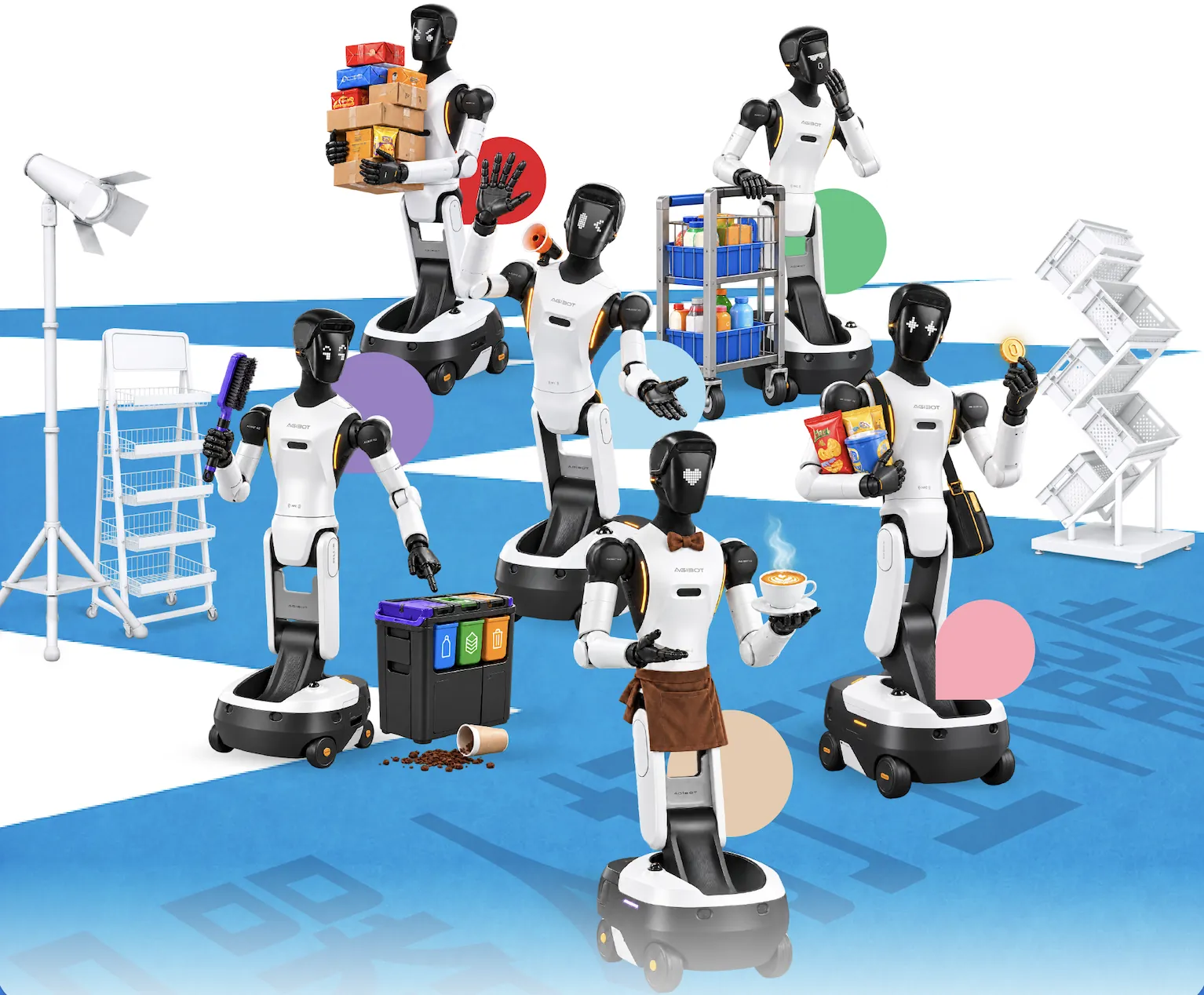
智元机器人11月6日发布新闻稿称,6台G2轮式人形机器人自11月2日上午10时起在上海徐汇区一家营业中的便利店连续工作24小时,共完成1730项任务,其中顾客服务683次、咖啡订单147杯。6台中4台通过最终考核,2台未完全达标。按MEKAWIRE计算,每台机器人每小时约完成12项任务。
智元机器人11月6日发布新闻稿称,公司于11月2日上午10时至3日上午10时,在上海徐汇区一家营业中的便利店部署6台G2轮式人形机器人,完成24小时实测。机器人共完成1730项任务,6台中4台通过最终考核,另2台未满足全部标准。公司称直播观看人数超过200万。此次实测是10月22日启动的AI WAVE系列发布的收官活动。
六台机器人如何分工
6台机器人分别负责顾客引导、货架巡检、补货、咖啡制作、收银与热食、清洁。任务包括顾客服务683次、商品拿取与递送369次、咖啡147杯、早餐126份、货架巡检与补货277次、桌面清洁128次。考核维度为在岗时长、任务完成、顾客反馈、响应时间和突发情况处理。评估人员测试了机器人能否分辨普通可乐和无糖可乐、把打乱的口香糖放回原位、绕开由人和纸箱挡住的通道。任务调度由智元Genie Master智能体框架完成。
MEKAWIRE 分析
这次演示真正有意义的数字不是1730,而是六分之二:在公司自办的考核中有三分之一未通过,这才是零售人形机器人的真实水平。
按MEKAWIRE计算,每台机器人每小时约12项任务,对体力要求最低的顾客服务占39%。新闻稿未披露各类任务的失败次数和人工介入次数,无法与有人值守门店直接比较。国内零售和餐饮场景中,人形机器人与专用设备的竞争仍在于单店成本,智元尚未公布G2的付费零售客户。智元称9月第2万台机器人下线;MEKAWIRE曾于10月30日报道其与清华和无问芯穹的群体经验学习研究,96台机器人手机包装成功率98%。
- Customer-service interactions
- 683
- 39.5%
- Product pickups and deliveries
- 369
- 21.3%
- Shelf inspections and restocking
- 277
- 16.0%
- Coffee orders
- 147
- 8.5%
- Table cleaning
- 128
- 7.4%
- Breakfast servings
- 126
- 7.3%
- Total
- 1,730
- 100%
Counts from AgiBot's Nov 6, 2026 release; shares are MEKAWIRE calculations. The release gives no failure or intervention counts.
- 6台G2共1730项
- 6台中4台
- 683次(占39%,MEKAWIRE计算)
- 147杯
- 11月2日10时至3日10时,上海徐汇
- 约每小时12项(MEKAWIRE计算)
- 超过200万,公司数据
为何重要
The company-reported trial puts a concrete workload behind AgiBot's retail pitch: six G2 robots completed 1,730 tasks over 24 hours, averaging about 12 tasks per robot-hour by MEKAWIRE's calculation. Only four passed AgiBot's assessment, making reliability a material qualification to the throughput claim. Labor savings cannot be assessed because staffing, intervention time and task duration were not disclosed.
竞争对手分析
No rival performance data are supplied, so the trial does not establish a competitive lead. Customer interactions accounted for 39% of tasks by MEKAWIRE's calculation, meaning comparisons need matched task definitions and workload mixes. Investors should seek comparable intervention rates, assessment criteria and operating costs before ranking competing systems.
估值背景
No AgiBot valuation, total funding amount or market capitalization is supplied, and there is no basis here for a valuation estimate. Official entries record a strategic financing on August 1, 2025 and a Series A extension on September 3, 2024, without amounts. AgiBot's holding platform controls STAR-listed Swancor, but that relationship does not establish AgiBot's valuation.
研究依据
The supplied AgiBot paper titles are Magic-W0: A Structured World-Action Foundation Model for Physical Intelligence; WorldOracle: Benchmarking Action-Conditioned World Models against Real-World Executions; and GreenWAM: A World Foundation Model for Robotics. No findings or evidence connecting these papers to G2's store performance are supplied.
供应链影响
The supplied material identifies G2 as a wheeled humanoid but names no component suppliers, manufacturing partners or production capacity. Hardware costs, maintenance requirements and replacement-part availability are also missing, preventing an assessment of deployment economics or supply constraints. Control of Swancor alone establishes no specific G2 supply relationship.
后续看点
Watch for disclosure of the assessment criteria and why two robots failed to meet them. Repeat trials with intervention logs, staffing levels and consistent task definitions would make throughput more interpretable. Paid deployments and disclosed operating costs would help establish whether the demonstration translates into a commercial offering.
分析师观点
This is evidence of task execution in an operating store, but the company-reported results do not establish retail unit economics. The two assessment failures deserve as much attention as aggregate throughput. Treat the trial as a diligence starting point and seek repeatability, human-support requirements and customer payment evidence before assigning commercial significance.
值得追问的问题
Which assessment criteria did the two robots miss, and how much human intervention did each robot require? What were deployment and operating costs, staffing levels and task completion times, and did the store pay for the trial?