智元機器人G2、コンビニで24時間実証、6台で1730件処理も2台は評価未達
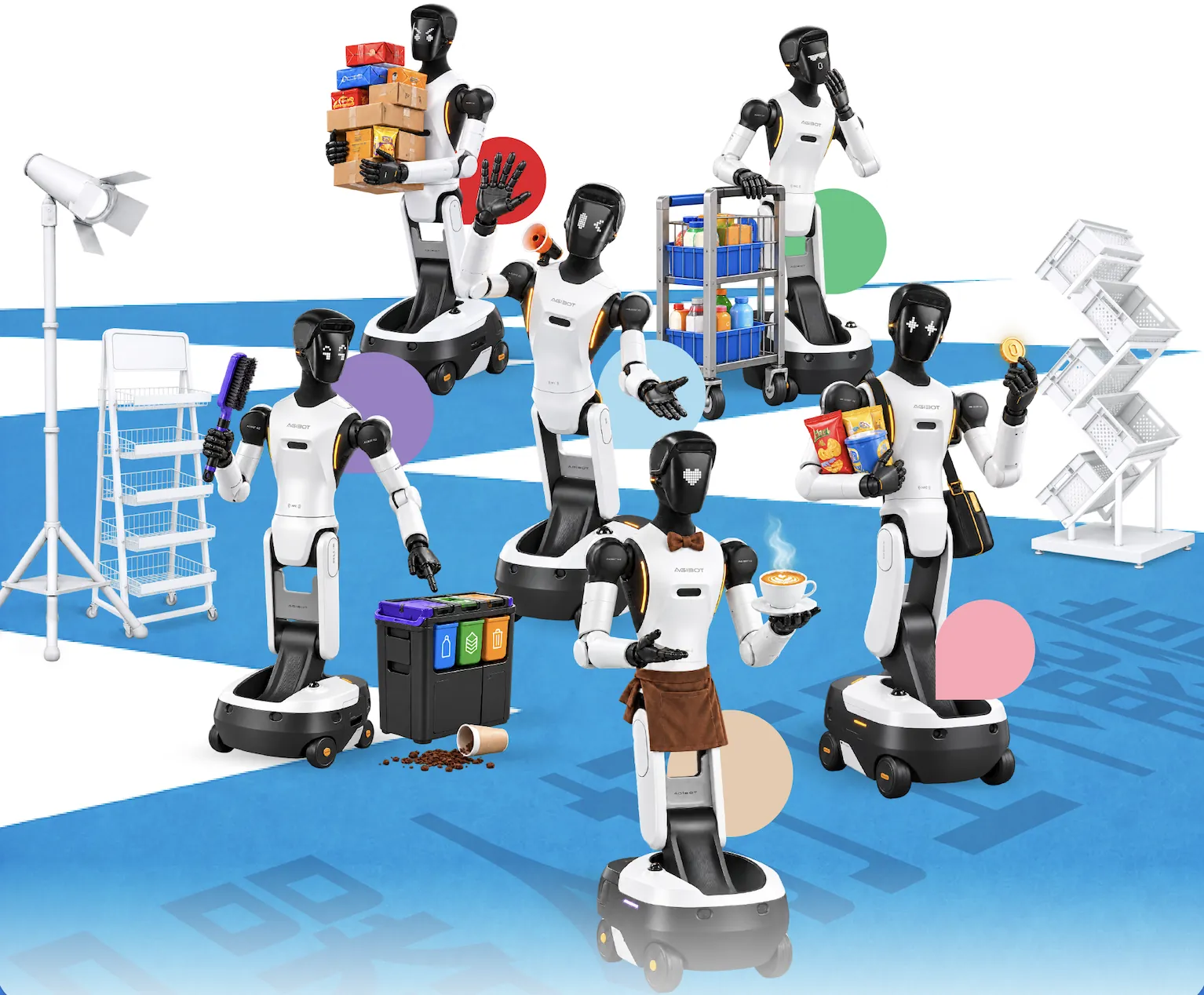
中国の人型ロボット大手、智元機器人(AgiBot)は6日、車輪型ヒューマノイドG2の6台が2日午前10時から24時間、上海市徐匯区の営業中のコンビニエンスストアで働き、顧客対応683件やコーヒー147杯など計1730件の作業をこなしたと発表した。
最終評価に合格したのは6台中4台で、2台は基準を一部満たさなかった。MEKAWIREの試算では1台あたり1時間に約12件となる。
智元機器人(AgiBot)は6日の発表で、車輪型ヒューマノイドG2を6台、上海市徐匯区の営業中のコンビニに投入し、2日午前10時から3日午前10時まで24時間の実証を行ったと明らかにした。ロボットは計1730件の作業を完了し、6台中4台が最終評価に合格した。残る2台は一部の基準に届かなかった。ライブ配信の視聴者は200万人を超えたという。
6台の役割分担
6台はそれぞれ接客案内、棚の点検、品出し、コーヒー作り、会計と温かい食品、清掃を担当した。内訳は接客683件、商品の取り出しと受け渡し369件、コーヒー147杯、朝食126食、棚点検と品出し277件、テーブル清掃128件。勤務時間、作業完了、顧客の反応、応答速度、想定外の事態への対応で評価した。評価担当者は通常のコーラとゼロシュガーのコーラを見分けられるか、並べ替えたガムを元の位置に戻せるか、人と箱でふさいだ通路を避けられるかを試した。作業の割り振りは同社のエージェント基盤Genie Masterが担った。
MEKAWIRE分析
この実証で意味のある数字は1730ではなく6分の2だ。自社主催の評価で3分の1が不合格だったことが、店舗向けヒューマノイドの現在地を示す。
MEKAWIREの試算では1台1時間あたり約12件で、体を使う度合いが最も低い接客が全体の39%を占める。作業ごとの失敗件数や人の介入回数は公表されておらず、有人店舗との比較はできない。人手不足に悩む日本の小売にとっても、介入回数と失敗率の公表が導入判断の前提になる。智元は9月に累計2万台目のロボットを出荷したとしている。
- Customer-service interactions
- 683
- 39.5%
- Product pickups and deliveries
- 369
- 21.3%
- Shelf inspections and restocking
- 277
- 16.0%
- Coffee orders
- 147
- 8.5%
- Table cleaning
- 128
- 7.4%
- Breakfast servings
- 126
- 7.3%
- Total
- 1,730
- 100%
Counts from AgiBot's Nov 6, 2026 release; shares are MEKAWIRE calculations. The release gives no failure or intervention counts.
- G2の6台で1730件
- 6台中4台
- 683件(全体の39%、MEKAWIRE試算)
- 147杯
- 11月2日午前10時から3日午前10時、上海市徐匯区
- 1台1時間あたり約12件(MEKAWIRE試算)
- 200万人超、同社発表
なぜ重要か
The company-reported trial puts a concrete workload behind AgiBot's retail pitch: six G2 robots completed 1,730 tasks over 24 hours, averaging about 12 tasks per robot-hour by MEKAWIRE's calculation. Only four passed AgiBot's assessment, making reliability a material qualification to the throughput claim. Labor savings cannot be assessed because staffing, intervention time and task duration were not disclosed.
競合分析
No rival performance data are supplied, so the trial does not establish a competitive lead. Customer interactions accounted for 39% of tasks by MEKAWIRE's calculation, meaning comparisons need matched task definitions and workload mixes. Investors should seek comparable intervention rates, assessment criteria and operating costs before ranking competing systems.
企業価値の背景
No AgiBot valuation, total funding amount or market capitalization is supplied, and there is no basis here for a valuation estimate. Official entries record a strategic financing on August 1, 2025 and a Series A extension on September 3, 2024, without amounts. AgiBot's holding platform controls STAR-listed Swancor, but that relationship does not establish AgiBot's valuation.
裏付けとなる研究
The supplied AgiBot paper titles are Magic-W0: A Structured World-Action Foundation Model for Physical Intelligence; WorldOracle: Benchmarking Action-Conditioned World Models against Real-World Executions; and GreenWAM: A World Foundation Model for Robotics. No findings or evidence connecting these papers to G2's store performance are supplied.
サプライチェーンへの影響
The supplied material identifies G2 as a wheeled humanoid but names no component suppliers, manufacturing partners or production capacity. Hardware costs, maintenance requirements and replacement-part availability are also missing, preventing an assessment of deployment economics or supply constraints. Control of Swancor alone establishes no specific G2 supply relationship.
今後の注目点
Watch for disclosure of the assessment criteria and why two robots failed to meet them. Repeat trials with intervention logs, staffing levels and consistent task definitions would make throughput more interpretable. Paid deployments and disclosed operating costs would help establish whether the demonstration translates into a commercial offering.
アナリストの見方
This is evidence of task execution in an operating store, but the company-reported results do not establish retail unit economics. The two assessment failures deserve as much attention as aggregate throughput. Treat the trial as a diligence starting point and seek repeatability, human-support requirements and customer payment evidence before assigning commercial significance.
問うべき論点
Which assessment criteria did the two robots miss, and how much human intervention did each robot require? What were deployment and operating costs, staffing levels and task completion times, and did the store pay for the trial?