Figure opens BotQ humanoid factory with a first line built for 12,000 robots a year and plans robots on its own assembly line
Figure AI said on 15 March 2025 it has set up BotQ, a vertically integrated factory whose first-generation line can build up to 12,000 humanoids a year. The company redesigned its next robot around molded, cast and stamped parts, built its own factory software, and says its supply chain can scale to 100,000 robots in four years.
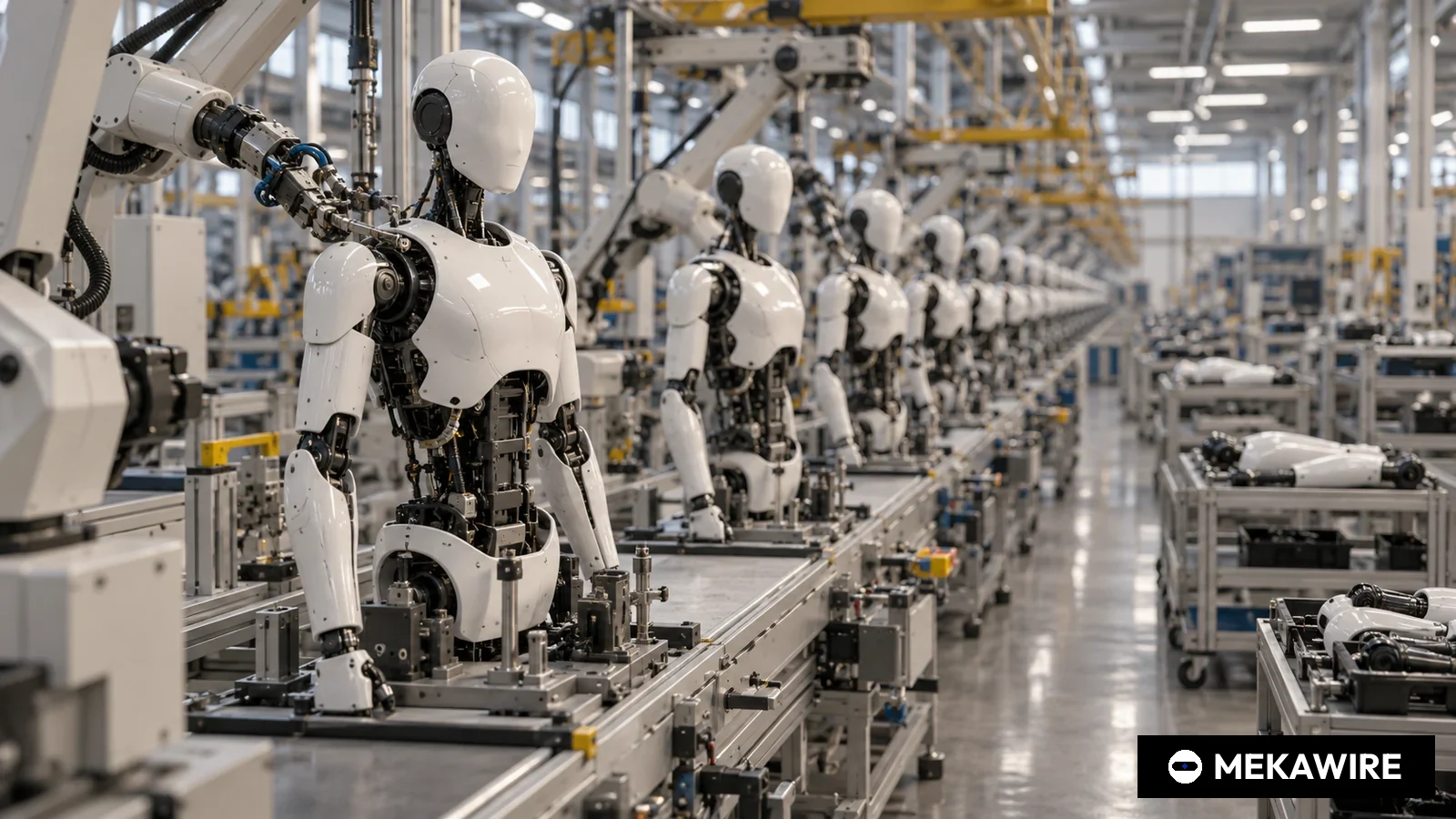
Figure AI said on 15 March 2025 that it has stood up BotQ, a dedicated high-volume factory for humanoid robots, and that the plant's first-generation line is built to turn out up to 12,000 humanoids a year. The Sunnyvale, California company said it intends to scale well beyond that figure and that its own robots will begin working on the assembly line during 2025.
The announcement moves Figure from a research outfit with a handful of prototypes toward a manufacturer with a stated output target. In its post, Figure said it spent six months building the factory's software backbone and hiring a manufacturing engineering team, and that the plant is vertically integrated so the company controls quality and the pace of design changes. Figure did not disclose BotQ's location, floor area, capital cost or start date for series output.
What Figure announced
The 12,000-unit capacity applies to the first-generation line. Behind it, Figure said it has hired global supply managers and built vendor relationships that can scale to 100,000 robots, or 3,000,000 actuators, over the next four years. That works out to an average of 25,000 robots a year, about twice the opening line, and implies roughly 30 actuators per robot. Figure presented the 100,000 figure as supply-chain headroom rather than a firm build plan.
The plant runs on manufacturing execution software that Figure wrote in-house, alongside product lifecycle management, enterprise resource planning and warehouse management systems. Figure said the execution software tracks parts from suppliers through assembly, records the genealogy of each component, monitors station efficiency and quality checks, and pulls in data from connected sensors on the line.
Figure also named three new teams. A safety team works on the redesigned robot, a reliability team at BotQ runs accelerated life testing with high-temperature ovens, actuator testers and failure analysis tools, and a manufacturing engineering team splits assembly into sub-stations, selects joining tools and designs fixtures.
- First-generation line capacity (humanoids per year)
- 12,000
- Supply-chain scaling goal (robots, next four years)
- 100,000
- Derived average per year (robots)
- 25,000
- Supply-chain scaling goal (actuators, next four years)
- 3,000,000
- Derived actuators per robot
- 30
From Figure's BotQ announcement of 15 March 2025. Derived rows: average annual supply-chain volume = 100,000 robots / 4 years; implied actuators per robot = 3,000,000 actuators / 100,000 robots. The 100,000 figure describes supply-chain capacity, not a production target.
As of Mar 15, 2025
A robot redesigned for the factory
Figure said its current robot, Figure 02, was designed as a prototype and depends on slow, tight-tolerance CNC machining. For its successor, which the BotQ post identifies as Figure 03 and describes as a production robot built for affordability, the company switched to tooled processes such as injection molding, die casting, metal injection molding and stamping. Parts that spent more than a week on a CNC machine can now be made in under 20 seconds, according to Figure, and engineers cut part count because each extra part adds assembly time.
There is no established supply chain for humanoids, Figure noted, so it designs most components itself, including actuators, motors, sensors, battery packs and electronics. The robot uses more than three dozen distinct commodities. Figure said it will keep assembly of the core technology, meaning actuators, hands, batteries and final assembly, inside BotQ and buy machined and molded piece parts from outside vendors.
Automation is applied selectively. Figure cited an automated grease dispensing station for motor gearboxes, chosen because it is more precise than manual application, and a cell test and load station that scans and tests battery cells before pack assembly, chosen for speed. The more unusual element is the plan to put Figure humanoids, driven by the Helix model the company unveiled in February, on the line as assemblers and as material handlers that carry parts between stations, which Figure said removes the need for conveyors.
Company and rivals
Figure was founded by chief executive Brett Adcock. In February 2024 it raised $675 million at a $2.6 billion valuation from investors including Microsoft, the OpenAI Startup Fund, NVIDIA, Bezos Expeditions, Parkway Venture Capital, Intel Capital, Align Ventures and ARK Invest, and signed its first commercial agreement, with BMW Manufacturing, to deploy humanoids in car production. Rivals are also financing scale. Apptronik raised a $350 million Series A in February 2025, 1X Technologies a $100 million Series B in January 2024 and Agility Robotics a $150 million Series B in April 2022, according to the companies.
- Figure AI
- 675,000,000
- 2,600,000,000
- 2024-02-29
- No data
- Apptronik
- 350,000,000
- No data
- 2025-02-13
- 2016
- Agility Robotics
- 150,000,000
- No data
- 2022-04-22
- 2015
- 1X Technologies
- 100,000,000
- No data
- 2024-01-13
- 2014
Figures as disclosed in each company's own announcement; Figure round is Series B, Apptronik Series A, Agility Robotics Series B, 1X Series B. Valuations not disclosed by peers are null. Figures disclosed, not estimated.
As of Mar 15, 2025
The risks are familiar from other hardware ramps. Capacity is not demand, and Figure has disclosed one commercial customer by name. The tooling it describes locks in designs, so late changes become costly, and none of the figures cover unit cost, yield or the date the line reaches full rate. Watch for the public debut of the production robot, evidence of humanoids working on the BotQ line before the end of 2025, and any new customer agreements or funding that would show who will absorb the output.
MEKAWIRE analysis
BotQ turns Figure's humanoid ambitions into a manufacturing claim that can be checked, and the redesign for tooled parts matters more than the 12,000-unit headline.
The evidence is in the process detail. Moving from CNC machining measured in days to molded and cast parts measured in seconds is the change that historically separates prototype hardware from products, and keeping actuators, hands and batteries in-house gives Figure control over the parts that set cost and reliability. Figure also built its own execution software, which signals that it expects frequent engineering changes and wants component-level traceability from the start.
The strongest counter-argument is that capacity has been announced before demand exists. A line sized for 12,000 robots a year needs customers who will deploy thousands of units, and Figure's only named commercial partner so far is BMW Manufacturing. Without disclosed pricing, yields or order volumes, the figure is a ceiling rather than a forecast.
Bull case. If the production robot performs on customer floors, Figure would hold a rare combination of an in-house model, in-house actuators and an operating factory, letting it cut cost faster than rivals that rely on contract manufacturing. Robots that help build robots would also give Figure a test environment it controls.
Bear case. Tooling commits the company to a design before field data comes back, and a flaw found after launch would mean expensive retooling. If customer deployments stay at pilot scale, the plant's fixed costs would weigh on a company still funded by venture capital.
Signals to watch.
- 2025: public unveiling of Figure's production robot and its specifications.
- By 31 December 2025: evidence that Figure humanoids are assembling parts or moving material on the BotQ line, as the company has promised for this year.
- 2025 to 2026: new named customers or a funding round sized to cover BotQ's ramp.
- BotQ, Figure's high-volume humanoid factory
- 15 March 2025
- Location, floor area, investment, unit cost
- In-house MES plus PLM, ERP and WMS, built over six months
- Actuators, hands, batteries and final assembly
- From over a week on CNC to under 20 seconds with tooled processes
- Helix-driven Figure humanoids to assemble parts and move material in 2025
- 100,000 robots or 3,000,000 actuators within four years
- Up to 12,000 humanoids per year
Why it matters
BotQ attaches a stated output figure to Figure's manufacturing plans and backs it with process detail rather than a slogan. The shift from billet machining to injection molding, die casting, metal injection molding and stamping is what allows unit cost to fall with volume, which is the precondition for any humanoid business that sells to factories and warehouses on payback terms.
The announcement also changes what investors and customers can hold Figure to. A stated 12,000-unit line, a four-year supply-chain goal and a promise of robots on the line in 2025 are milestones that can be tracked from outside, which matters for a company valued at $2.6 billion in its last disclosed round.
Rival analysis
Among the four US humanoid developers in our table, Figure's $675 million Series B in February 2024 is the largest disclosed round, ahead of Apptronik's $350 million Series A in February 2025, Agility Robotics' $150 million Series B in 2022 and 1X Technologies' $100 million Series B in 2024. That capital lead is what allows Figure to fund its own factory and component design rather than lean on partners.
The strategic split is between vertical integration and partnership. Figure designs its actuators, motors, sensors and battery packs and assembles them itself, while several rivals pursue manufacturing through partners or contract manufacturers. The integrated route is slower to set up and more capital intensive, but it gives the owner control over the parts that dominate cost and failure rates.
Valuation context
Figure's last disclosed valuation is $2.6 billion, set in February 2024 when it had about 80 employees and no factory. BotQ gives the company an industrial asset and a capacity figure to present in any new raise, and the four-year supply-chain goal of 100,000 robots frames the scale it wants investors to underwrite.
No revenue, order book or unit price has been disclosed, so any valuation step-up would rest on technical progress and capacity rather than sales. That makes the first production deliveries, and their price, the key inputs for the next round.
Supply-chain implications
Figure listed more than three dozen distinct commodities in its robot, each with its own process. It will assemble the high-value subsystems itself, meaning actuators, hands, batteries and final assembly, and buy piece parts from outside vendors. The announced goal of 3,000,000 actuators against 100,000 robots implies about 30 actuators per robot, which puts motors, gearboxes, bearings and encoders at the centre of the bill of materials.
The move to tooled processes shifts supplier demand toward injection molders, die casters, metal injection molders and stampers, and away from CNC job shops. Battery cell testing before pack assembly is automated at BotQ, which indicates that Figure buys cells and builds packs itself.
Signals to watch
First, the unveiling of Figure's production robot, which the BotQ post names Figure 03, and whether its specifications reflect the tooled design. Second, video or customer confirmation of humanoids working on the BotQ line before the end of 2025, as Figure has promised.
Third, any disclosure of BotQ's location, footprint or headcount, which would allow outside estimates of real capacity. Fourth, new commercial agreements beyond BMW Manufacturing, and a funding round that reveals how the market prices Figure after the factory announcement.
Analyst view
Thesis. BotQ is a credible step from prototype to product because Figure redesigned the robot for tooled manufacturing and kept core subsystems in-house, but demand is the unproven variable. Confidence medium. The process details are specific and consistent with how volume hardware is built, which supports the manufacturing claim. Confidence is not high because Figure has not disclosed unit cost, yields, the line's ramp schedule or any order volume, and only one commercial customer is public.
The robots-building-robots plan should be read mainly as a deployment test for Helix in a controlled setting. If it works, it gives Figure a stream of factory data; if it slips, it will say more about the model's readiness than about the factory.
Questions you should be asking
Where is BotQ, how large is it, and how much did it cost? When does the first-generation line start series output, and what output does Figure expect in 2025?
What is the target unit cost of the production robot, and how many units has BMW Manufacturing or any other customer committed to? How will Figure handle design changes once tooling is cut?