LG tests its CLOiD robot on the Tennessee washer line as the plant passes 10 million units
LG Electronics is testing its CLOiD robot on the production line of its washer and dryer plant in Clarksville, Tennessee, carrying washer top panels and aligning and loading drain pumps in a proof of concept, the company said on Nov 15 in an announcement reported by ZDNet Korea and Next Daily.
The plant, which began making washers in November 2018, marked 10 million cumulative units at an event on Nov 13 local time. LG said it has invested about $500 million in the site, which runs about 300 industrial robots and has an automation rate of about 70%, the highest among LG's global plants.
LG Electronics has put its CLOiD robot to work on a production line in one of its own factories, the washer and dryer plant in Clarksville, Tennessee. According to ZDNet Korea and Next Daily, which reported the company's announcement on Nov 15, CLOiD is carrying washer top panels and aligning and loading drain pumps as a proof of concept. Work data gathered on the line is augmented and synthesised at LG's data factory in Yangjae, Seoul, used to train the robot, and the results are fed back into the trial.
The announcement was framed around a production milestone. The Tennessee plant passed 10 million cumulative washers and dryers, and LG held an event at the site on Nov 13 local time. The robot trial is the part that matters for robotics, because CLOiD was introduced at CES 2026 in January as a home robot.
What LG said about the plant
The plant began making washers in November 2018, added dryers in 2022 and the WashTower in 2023, the reports said. LG has invested about $500 million in the site. Annual capacity is 2.25 million units, 1.55 million washers and 700,000 dryers. About 300 industrial robots work across production and logistics, and with AI and digital twin tools the plant has an automation rate of about 70%, which LG said is the highest among its global production sites. The World Economic Forum named it a Lighthouse factory in 2023.
LG also cited Traqline data showing its US revenue share in washers rose from 17.2% in 2018 to 23.3% last year and in dryers from 17.4% to 24.1%, first place in both. Local production cut the time from factory to US store shelf from more than 10 weeks for imported units to about one week, the company said.
- CLOiD (LG Electronics)
- LG washer plant, Clarksville, Tennessee
- Carrying washer top panels, aligning and loading drain pumps
- Proof of concept, announced Nov 15, 2026
- Apollo 2 (Apptronik)
- Mercedes-Benz, Kecskemet and Sindelfingen
- Sorting metal brackets into sequenced trays, 96% success with Gemini Robotics 2.5
- Pilot, disclosed Nov 10, 2026
- Digit (Agility Robotics)
- GXO, Flowery Branch, Georgia; Statesville, NC and Lebanon, TN from early 2027
- Moving totes, more than 100,000 to date
- Deployment, expansion announced Oct 26, 2026
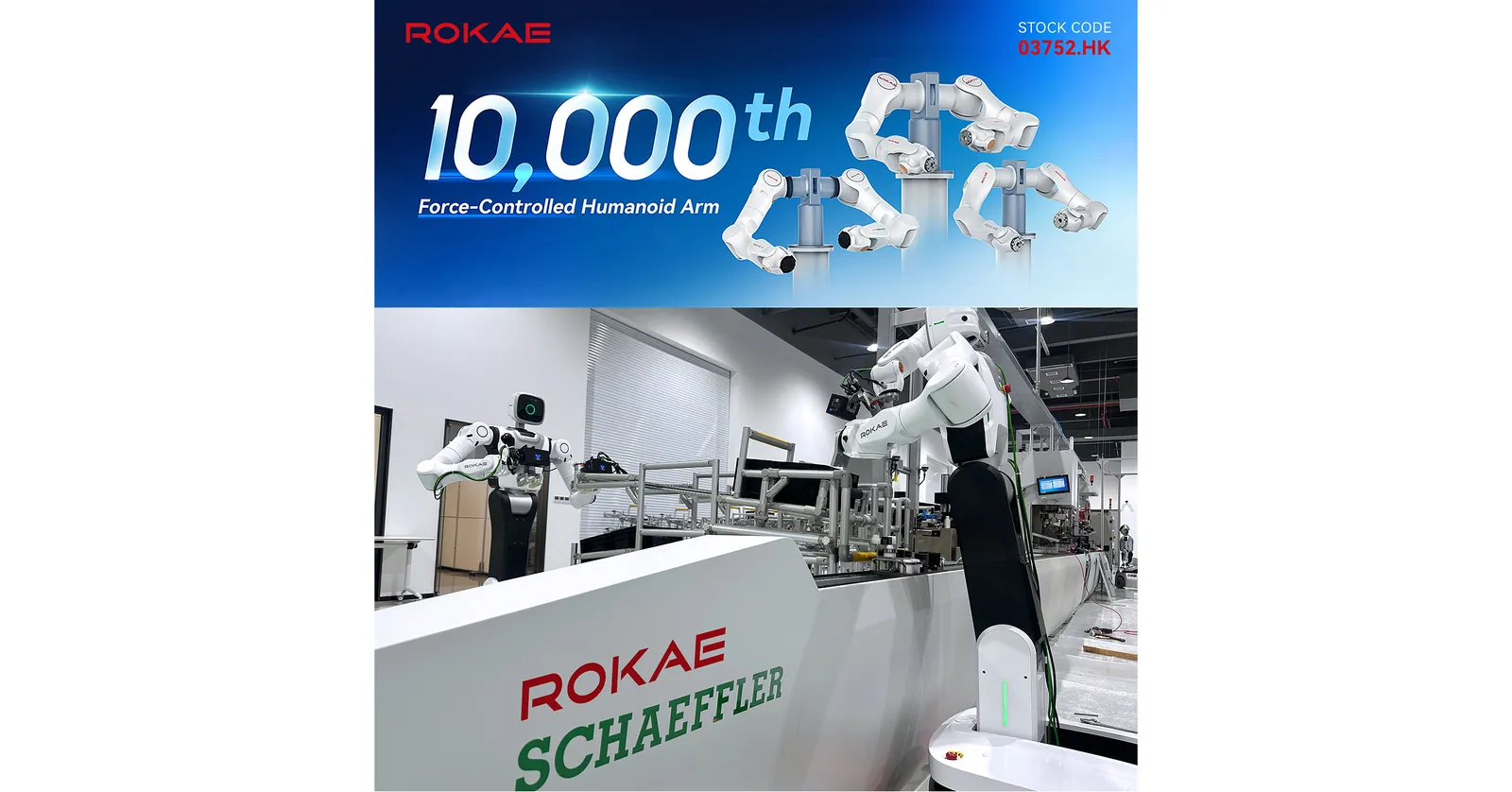
- Six humanoids, five of them ROKAE Helios (Schaeffler site)
- Schaeffler lighthouse factory, Taicang, China
- Assembling actuators at five stations, six robots
- Production line, opened Oct 20, 2026
- Atlas (Boston Dynamics)
- Hyundai Motor Group Metaplant America, Georgia
- Training on parts sequencing
- Application center; Hyundai targets the line from 2028
Company releases and blogs; the LG row is LG's announcement as reported by ZDNet Korea and Next Daily.
As of Nov 15, 2026
MEKAWIRE analysis: the home robot is learning in a factory first
LG is training CLOiD where tasks repeat and data is cheap to collect, a washer line it already runs at 70% automation, before it sells the robot into homes.
That matches what LG told analysts in October. Its third-quarter release on Oct 28 said the data factory had begun partial operations and that preparations for actuator mass production were on track; on the earnings call, according to Chosun Ilbo, the company said it would focus on factory and logistics robots first and expand to home humanoids around 2030. MEKAWIRE's own record shows the sequence: CLOiD and the AXIUM actuator brand at CES in January, a plan to open the Yangjae data factory to outside companies, reported in October, and now a named factory trial.
Two MEKAWIRE calculations put the plant in scale. Ten million units over eight years is an average of about 1.25 million a year, a little over half of today's 2.25 million capacity. With about 300 robots, each installed robot stands for about 7,500 units of annual capacity (2.25 million / 300). CLOiD is not replacing those fixed robots; it is being tested on handling steps between them.
The counter-argument is that a proof of concept is not a deployment. LG has not said how many CLOiD units are on the line, what cycle times they reach or when a trial becomes a purchase. Rivals in the table have disclosed more: Apptronik's Apollo 2 sorted brackets at Mercedes-Benz with a 96% success rate, and Agility's Digit has moved more than 100,000 totes at GXO.
Signals to watch: whether LG names a CLOiD unit count or task success rate for Tennessee, external sales of the AXIUM actuators, which Financial News reported on Nov 10 that LG plans for next year after starting mass production this year, and the fourth-quarter results in January. Company page: LG Electronics.
- About 300 industrial robots, about 70% automation
- About $500 million since 2018
- Carrying top panels, aligning and loading drain pumps (proof of concept)
- Washers 23.3%, dryers 24.1% (Traqline, cited by LG)
- About 7,500 units of annual capacity per robot
- 2.25 million units (1.55m washers, 0.70m dryers)
- 10 million washers and dryers, marked Nov 13, 2026