Samsung SDI ships solid-state battery samples for humanoid robots as Q3 profit doubles
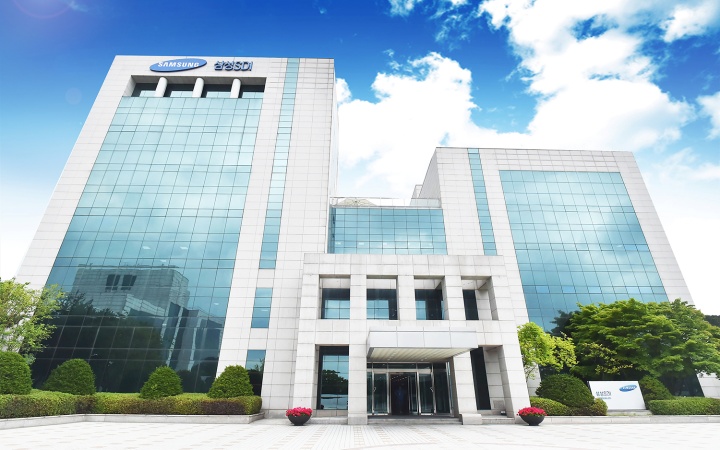
Samsung SDI said in its third-quarter results on Oct 29 that it has shipped all-solid-state battery samples for humanoid robots to customers for evaluation and won new customers for its cylindrical cells in humanoids and aerospace.
The robot business is not broken out: the quarter's KRW 4.69 trillion of revenue and KRW 407.8 billion operating profit, the best since Q3 2023, came mainly from energy storage and data-centre backup batteries.
Samsung SDI said on Oct 29 that it has shipped samples of its all-solid-state battery for humanoid robots and that customers are evaluating them ahead of commercialisation. The statement sits in the "next-generation technology" part of its third-quarter results release, next to a second robot line: its cylindrical cells have won new customers in humanoid and aerospace applications. The company named neither the customers nor the volumes.
The numbers that drove the quarter came from elsewhere. Revenue rose 52.6% from a year earlier to KRW 4.69 trillion and operating profit reached KRW 407.8 billion, against a KRW 591.3 billion loss a year ago and about double the second quarter, the best result since the third quarter of 2023. The release credits energy storage systems and battery backup units for AI data centres, plus cylindrical cells for power tools and electric cars. The same figures are in the preliminary earnings filing Samsung SDI made with Korea's DART system on the same day.
- Revenue
- 4,685.6
- 3,876.5
- 3,071.4
- Operating profit
- 407.8
- 203.8
- -591.3
- Net profit
- 342.2
- 471.6
- 5.7
- Net profit to owners
- 294.6
- 342.2
- 47.9
Preliminary K-IFRS figures as filed (KRW 100 million units converted to billions). The filing shows nine-month revenue of KRW 12,218.9 billion, up 27.2%.
Two battery bets for robots, one of them unconfirmed by the customer
The cylindrical-cell line matters because it is already in a supply chain we have tracked. On Oct 26 MEKAWIRE reported, from Korean daily ETNews, that Hyundai Motor Group had picked Samsung SDI as main supplier of 21 mm cylindrical cells for mass-produced Boston Dynamics Atlas robots, with LG Energy Solution as second source. None of the companies has confirmed that report, and today's release does not name Hyundai either, so the "new customer" line cannot yet be tied to Atlas.
The solid-state samples are the longer bet. This week an XPeng vice president was reported as saying that the all-solid-state pack for its IRON humanoid had entered small-batch production, so Samsung SDI is not alone in pitching the chemistry for robots. Korea's 2027 budget proposal also funds humanoid batteries as one of three core-part projects, with KRW 62 billion for sensors, actuators and batteries, up from KRW 11.6 billion.
MEKAWIRE analysis
Humanoids are now a named market in Samsung SDI's results, but they are still a sample business, not a revenue line.
Why it matters: battery runtime is the binding limit for humanoids. Our battery explainer found 1.5 to 3 hours per charge on every disclosed specification, which is why makers compete on swaps and fast charging. A solid-state cell that stores more energy in the same space would move that limit, if it passes the customer tests now under way. The counter-argument is scale: Samsung SDI does not report robot sales, and the quarter's growth came from data centres. Signals to watch are a named humanoid customer, a solid-state production date, and Hyundai's own Atlas supplier statements.
More on the company at /companies/samsung-sdi and in our humanoid battery explainer.
- Samsung SDI Q3 2026 results release and DART preliminary earnings filing, Oct 29, 2026
- KRW 4,685.6 billion, up 52.6% year on year and 20.9% on Q2
- Robot-related revenue, customer names, sample volumes, launch date
- Revenue KRW 4,409.9 billion, operating profit KRW 361.9 billion
- New customers in humanoid and aerospace applications (not named)
- All-solid-state samples shipped for humanoids, customer evaluation under way
- KRW 407.8 billion, about double Q2, highest since Q3 2023