Boston Dynamics keeps Spot sale to ICE despite 300-signature staff petition, WBUR reports
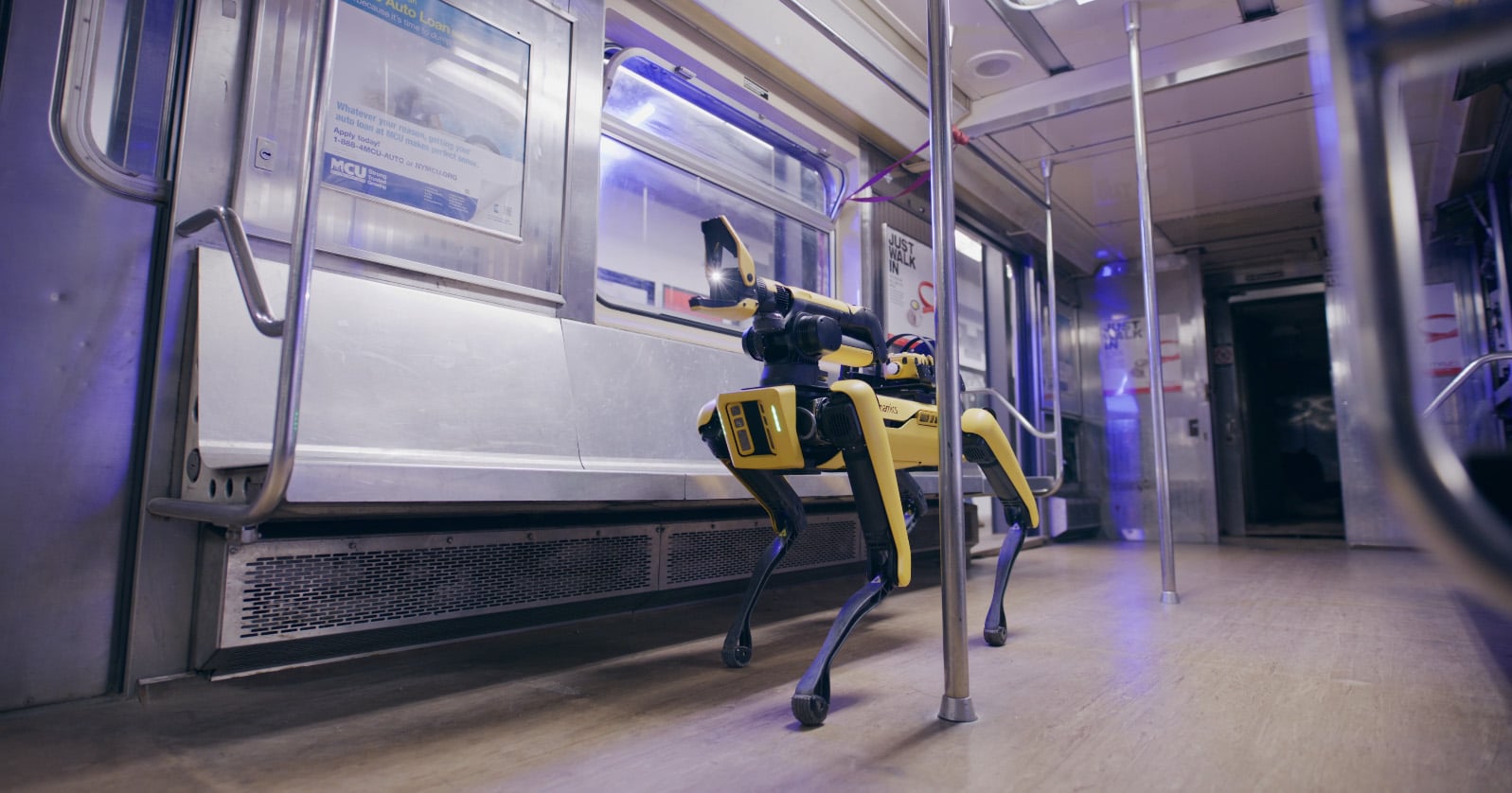
Boston Dynamics is going ahead with the sale of four Spot robot dogs to US Immigration and Customs Enforcement after dozens of employees petitioned leadership to cancel it, WBUR reported on Oct 23. A company spokesperson confirmed the petition to the station and said nearly half of its 300 signatures were anonymous; the company has not published its own statement.
Boston Dynamics will not cancel the sale of its Spot robot dogs to US Immigration and Customs Enforcement, even after a petition from its own staff asked it to, WBUR reported on Oct 23. The Boston public radio station said it obtained the petition, sent to company leadership in early September, and that a Boston Dynamics spokesperson confirmed it on Friday. The company has not published a statement of its own, so the details below rest on WBUR's reporting. Our profile of the company is at Boston Dynamics.
According to WBUR, the Department of Homeland Security's plan to buy the robots became public in late August and a deal with ICE for four Spot units and other Spot technology was settled in September. The petition carried about 300 signatures, nearly half of them entered as anonymous, the spokesperson told the station; the company employs more than 1,500 people. Signers argued the sale ties the brand to an agency they accused of spreading fear, and warned it could push staff to quit and deter new hires.
The company's answer came from Amanda McMaster, then interim chief executive, in a letter to employees quoted by WBUR: Boston Dynamics would keep the deal and asked staff to accept the decision. McMaster ran the company until Rohit Prasad took over as chief executive on Oct 7, as MEKAWIRE's explainer Who runs Boston Dynamics? records. Boston Dynamics told WBUR that the robots go to ICE's Homeland Security Investigations unit, which works mainly on transnational crime rather than removals, and that its terms of sale forbid weaponising the robot or using it to harm or intimidate.
Those terms echo a public pledge on the company's website, in which Boston Dynamics says it will not weaponise its general-purpose robots, will review customers' intended uses where possible, and does not object to existing technologies that governments use to uphold their laws. That last clause is the one the ICE sale now tests.
MEKAWIRE analysis
Spot's sale to ICE shows that a no-weapons pledge does not settle who a robot maker should sell to; the harder fight is over customers, not payloads.
Public-safety buyers are becoming a normal channel for legged and patrol robots. In Korea, the national police said on Oct 21 they plan a patrol robot at every station, a programme MEKAWIRE covered from the budget documents. For a company now led by a new chief executive and owned by Hyundai Motor Group, the risk is less the four units than a precedent: every future government order will be read against this one. The counter-argument is that the order is tiny and the buyer unit is investigative, which the company says keeps it inside its own rules.
What to watch: whether Prasad addresses the policy publicly, whether ICE or DHS publishes contract details, and whether other robot makers state their own customer rules for law-enforcement sales.
- Four Spot robots and related Spot technology for ICE, settled in September (WBUR)
- Outlet report; Boston Dynamics confirmed the petition to WBUR but has published no statement
- About 300 signatures, nearly half anonymous; Boston Dynamics employs more than 1,500 people
- ICE Homeland Security Investigations, per Boston Dynamics (WBUR)
- Interim CEO Amanda McMaster told staff the sale stands
Why it matters
The episode tests how far robot makers' ethical pledges reach once government security agencies become regular buyers of legged robots.
Rival analysis
Other quadruped makers sell to police and defence buyers too; how they handle employee pressure and published use policies will now be compared with Boston Dynamics' stance.
Valuation context
Four units have no material revenue effect. The reputational and hiring risk the petition describes is the business exposure.
Supply-chain implications
No supply-chain change was reported.
Signals to watch
A public statement from Rohit Prasad; DHS or ICE contract records; further staff action; customer-use policies from rival quadruped makers.
Analyst view
Confidence medium. The key facts come from one outlet, with the petition confirmed by the company spokesperson to that outlet.
Questions you should be asking
How does Boston Dynamics verify that a government buyer stays within its terms of sale? What mitigation would it apply if misuse were found? Does the new CEO plan to change the customer-review process?