Serve Robotics opens its 2,000-robot sidewalk fleet to any app or AI agent through an API
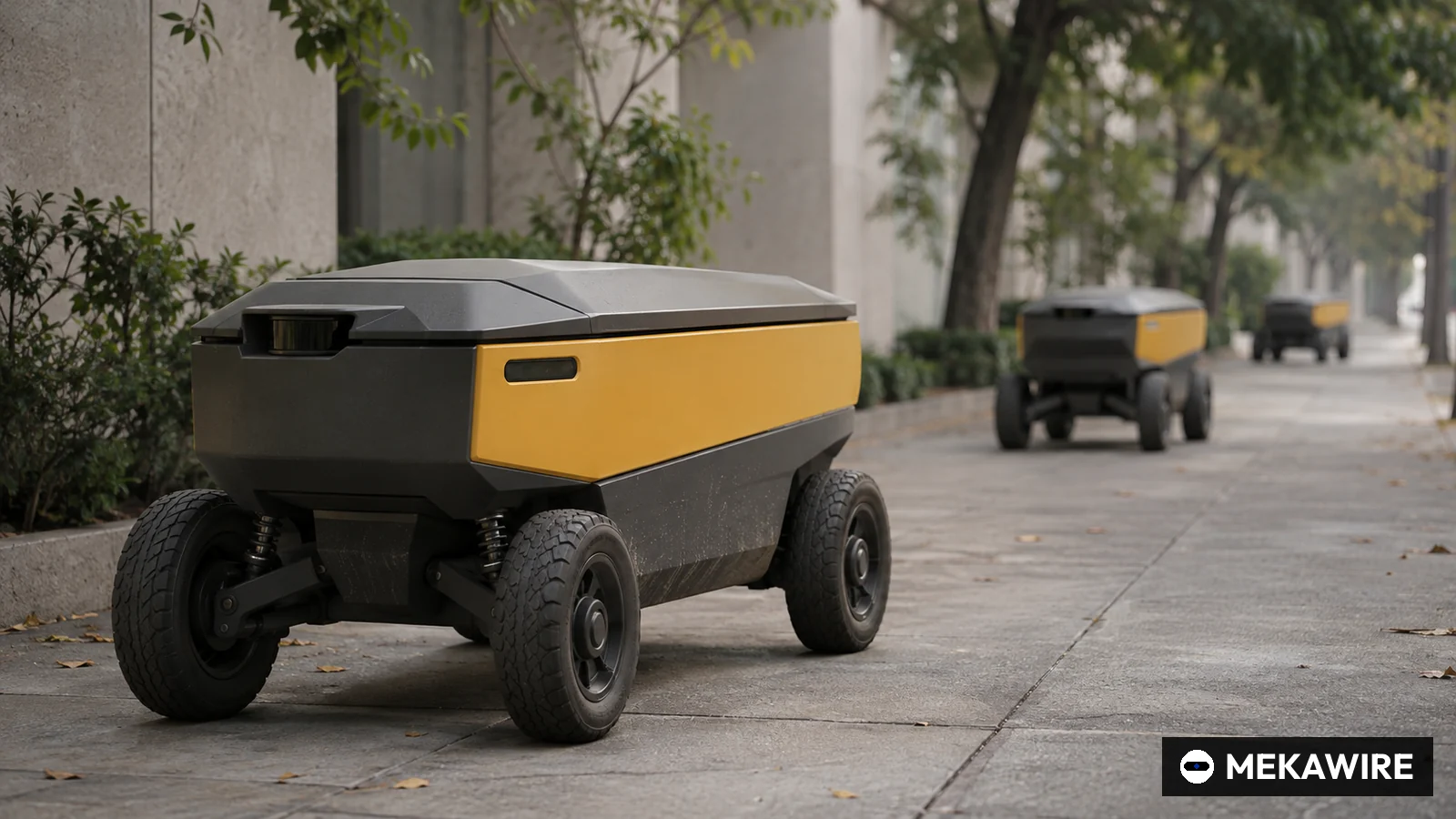
Serve Robotics (Nasdaq: SERV) launched an AV Delivery Developer Portal on Nov 11 with a public API and a sandbox that let developers, businesses and AI agents quote, dispatch and track its sidewalk delivery robots, according to the portal and the company's announcement as reported by The Robot Report.
Until now the robots were available only through third-party delivery platforms. Live access needs Serve's approval and is limited to its service areas, hours and cargo size. The company says it has more than 2,000 robots in the US and Australia.
Serve Robotics has opened its sidewalk delivery fleet to outside software. Its developer portal, live at developer.serverobotics.com, describes the Serve Delivery API as a way to quote, dispatch and track a robot in three calls, with a sandbox to build in before requesting early access. The Robot Report, citing the company's Nov 11 announcement, said the API is aimed at developers, businesses, hobbyists and AI assistants, and that access to live robots is subject to Serve's approval. Deliveries are limited to Serve's active service areas, operating hours and items that fit the robot's cargo bay; Serve handles dispatch, routing, navigation and remote supervision.
Why the channel change matters
Until this launch, Serve's robots worked only through third-party delivery platforms, the company said. It reported more than 2,000 robots deployed across the US and Australia, reaching about 3 million people and more than 4,000 restaurants, and hundreds of thousands of deliveries in more than 150 neighbourhoods in 20 US cities. A week earlier, on Nov 5, Serve announced Serve Physical AI Services, which offers the technology behind its fleet to companies building other robots. The portal says it is designed for AI agents too, with machine-readable documentation.
- Jan 20
- Acquires Diligent Robotics (Moxi hospital robots)
- Company
- Oct 29
- First market outside the US: Gold Coast, Australia, with DoorDash
- Partner platform
- Nov 5
- Serve Physical AI Services for other robot builders
- Technology licensing
- Nov 11
- Public delivery API and sandbox for apps and AI agents
- Direct
Nov 5 and Nov 11 entries from Serve's announcements as reported by The Robot Report and the developer portal; earlier entries from MEKAWIRE stories. As of Nov 14, 2026.
MEKAWIRE analysis
Serve is trying to turn a fleet that rents itself to delivery platforms into a platform of its own, which is the only way a sidewalk robot company earns more than a courier fee.
By MEKAWIRE's calculation the reported network is about two restaurants per robot, so idle time outside meal peaks is the capacity an open API can sell. The open question is price: neither the portal's public pages nor the reported announcement give a per-delivery fee, and approval gates mean volumes will start small. The counter-argument is channel conflict. Serve's biggest customers are delivery platforms, including DoorDash, with which MEKAWIRE reported its first market outside the US, the Gold Coast in Australia, on Oct 29; selling directly to merchants and AI agents competes with them. Serve also bought hospital robot maker Diligent Robotics in January. Signals to watch: published API pricing, the number of approved live developers, and whether the next quarterly report breaks out platform revenue. Company page: Serve Robotics.
- Quote, dispatch and track a robot in three calls, plus a sandbox
- More than 2,000 robots in the US and Australia (company, as reported)
- About 3 million people, more than 4,000 restaurants (company, as reported)
- Nov 11, 2026, AV Delivery Developer Portal
- Subject to Serve approval, service areas, hours and cargo size
- about 2 (MEKAWIRE calc.)
Why it matters
Serve's API lets approved businesses and developers quote, dispatch and track deliveries directly, expanding access beyond third-party delivery platforms. That could create additional demand for its reported fleet of more than 2,000 robots, but the input provides no API adoption, delivery volume or utilization data. Live access remains constrained by approval, geography, operating hours and cargo size.
Rival analysis
The input identifies no competitors or comparable API offerings, so relative pricing, coverage and technical performance cannot be assessed. Serve's concrete change is a direct integration route alongside its existing third-party platform access. Competitive differentiation will depend on service reliability and delivery economics, neither of which is supplied.
Valuation context
Serve is Nasdaq-listed under SERV, but no share price or market cap is supplied, and its latest valuation is unavailable. The reported $371M total funding is financing raised, not a disclosed valuation. Listed financing events include $100M and $80M registered direct offerings and $86M from December 2024 at-the-market sales and warrant exercises; current cash, cash burn and share dilution are not supplied.
Related papers
No research papers are included in the supplied material. The developer portal and company announcement support analysis of product access, but provide no research evidence on autonomy performance or delivery economics.
Supply-chain implications
Serve says it builds and operates sidewalk delivery robots, but the input names no component suppliers, manufacturing partners or production capacity. Opening fleet access through an API does not establish additional hardware orders. Fleet availability, maintenance costs and capacity to absorb new demand remain undisclosed.
Signals to watch
Watch for approved live integrations and paid delivery volumes, since sandbox access alone does not establish commercial adoption. Track utilization, revenue per robot and service reliability as evidence of whether the API improves fleet economics. MEKAWIRE's roughly two restaurants per robot is a reach ratio, not a measure of delivery workload.
Analyst view
The API creates a plausible route to broader fleet demand, but the supplied facts establish availability rather than commercial traction. Investors should look for incremental paid deliveries and better utilization before assigning value to the developer channel. Reported reach of about 3 million people and more than 4,000 restaurants does not establish active demand.
Questions you should be asking
How many developers have received live approval, and how many incremental paid deliveries are their integrations generating? What are API pricing, delivery margins and available fleet capacity within approved service areas and hours?