AL Robot prices KOSDAQ IPO at KRW 17,600, top of range, raising KRW 42.2bn
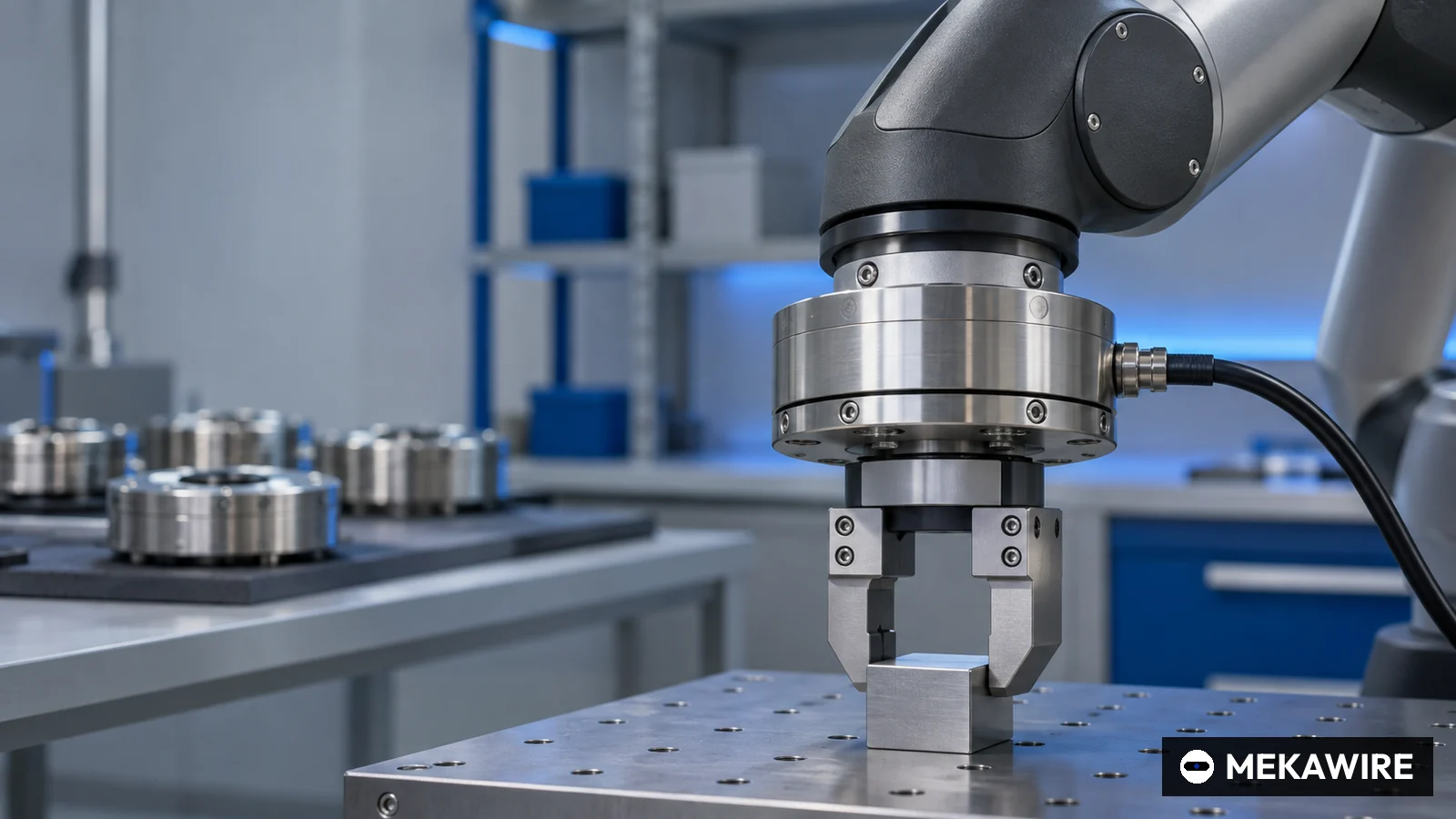
Force-torque sensor maker AL Robot priced its KOSDAQ IPO at KRW 17,600 per share, the top of its KRW 15,700 to 17,600 range, and raised KRW 42.24 billion from 2.4 million new shares, according to its securities issuance report filed on DART on Nov 11.
Retail investors subscribed for 500.8 million shares against 600,000 on offer, and 2,227 institutions bid for 1.57 billion shares in book-building. Trading is set to start on Nov 18, Yonhap and Financial News reported.
AL Robot, a Bucheon maker of torque and six-axis force/torque sensors for robot arms, priced its KOSDAQ initial public offering at KRW 17,600 per share, the top of the KRW 15,700 to 17,600 range it had marketed, according to the securities issuance report it filed on DART on Nov 11. The 2,400,000 new shares raised KRW 42.24 billion, all underwritten by lead manager Daishin Securities on a firm-commitment basis. Shares bought by the listing sponsor (56,818 shares) and the lead manager (24,000 shares) under exchange rules are counted outside that figure.
Demand was heavy at both ends of the book. The filing shows 2,227 institutions took part in book-building and asked for 1,569,139,000 shares; 2,195 of them received the 1,800,000 shares set aside for institutions. In the Nov 6 to 9 public subscription, 178,689 retail applications asked for 500,838,210 shares against 600,000 on offer, worth KRW 8.81 trillion at the final price. Payment closed on Nov 11. Yonhap and Financial News reported on Nov 14 that the stock will begin trading on KOSDAQ on Nov 18.
What the filings add up to
- Price per share
- KRW 15,700
- KRW 17,600
- New shares
- 2,400,000
- 2,400,000
- Gross proceeds
- KRW 37.68bn
- KRW 42.24bn
- Institutional tranche
- 1,680,000 to 1,800,000 shares
- 1,800,000 shares, 2,227 bidders
- Retail tranche
- 600,000 to 720,000 shares
- 600,000 shares, 178,689 applications
- Demand multiple
- n/a
- Institutions about 872x, retail about 835x
Source: AL Robot DART filings (registration statement with final terms Nov 4, securities issuance report Nov 11). Demand multiples are MEKAWIRE calculations: shares requested divided by shares allocated to the tranche.
As of Nov 14, 2026
By MEKAWIRE's calculation from the filing, institutional demand was about 872 times the institutional tranche and retail demand about 835 times the retail tranche, which matches the 834.73 to 1 retail ratio Etoday reported. Korean IPO rules let retail investors post half of their order as margin, so the KRW 8.81 trillion of orders implies about KRW 4.41 trillion of deposits; Hankyung reported KRW 4.4 trillion, consistent with the filing. Pricing at the top of the range lifts gross proceeds by KRW 4.56 billion, or 12.1%, over the KRW 37.68 billion shown in the earlier registration statement, which assumed the bottom of the range.
Why it matters
MEKAWIRE reported on Oct 28 that the earlier filing earmarked KRW 13.48 billion for facilities and KRW 23.93 billion for operations at the low-end price. AL Robot sells sensing parts rather than finished robots: force/torque sensors let an arm feel contact, which collaborative robots and humanoid hands need for assembly, polishing and safe stops. A listed Korean supplier of that component gives domestic arm and humanoid makers a disclosed, auditable source, and the subscription numbers show public investors are willing to pay the top of the range for component exposure rather than only for robot makers.
MEKAWIRE analysis
The order book says Korean retail money now treats robot components as a theme in their own right, but the price will be tested by quarterly sales, not by subscription ratios.
Ratios above 800 to 1 are common in this year's small KOSDAQ deals and say little about value after listing; the open question is whether sensor revenue grows fast enough to justify the top-end price. Signals to watch: the first trading day on Nov 18, the lock-up schedule in the final prospectus, and AL Robot's first quarterly report as a listed company.
- KOSDAQ, Nov 18, 2026 (reported)
- Daishin Securities, firm commitment
- 500,838,210 shares for 600,000, about 835x (MEKAWIRE calc.)
- KRW 8.81tn at the final price
- KRW 42.24bn from 2,400,000 new shares
- KRW 17,600, top of KRW 15,700 to 17,600 range
- 2,227 institutions, 1,569,139,000 shares bid, about 872x (MEKAWIRE calc.)
Why it matters
AL Robot's KRW 42.24bn IPO gives a Korean torque and six-axis force/torque sensor maker fresh capital ahead of its reported Nov 18 KOSDAQ debut. Pricing at the top of the range, with retail demand about 835 times the allocation and institutional bids about 872 times, indicates strong offering demand but does not establish customer adoption or profitability.
Rival analysis
The supplied material names no competitors and provides no comparative pricing, accuracy, reliability or customer qualification data. Investors therefore cannot assess whether AL Robot has a defensible sensor advantage or how its competitive position supports the offer price.
Valuation context
KRW 42.24bn is gross proceeds from 2.4 million new shares at KRW 17,600, not market capitalization or a disclosed company valuation. Total post-IPO shares outstanding are not supplied, so implied equity value cannot be calculated. The profile lists $31.6M in total funding and the IPO at $31.6M, but gives no exchange-rate basis or separate valuation.
Related papers
No research papers are included in the supplied material. There is therefore no supplied research evidence with which to assess AL Robot's sensor performance or technical differentiation.
Supply-chain implications
AL Robot supplies torque and six-axis force/torque sensors for robots, placing it in the robotics component supply chain. The supplied material does not identify its suppliers, manufacturing capacity, production yields or customer concentration, leaving scaling constraints and dependency risks unassessed.
Signals to watch
Watch whether trading starts on Nov 18 as reported and how the shares trade against the KRW 17,600 offer price. Subsequent disclosures on revenue, margins, customer concentration and use of proceeds would help assess whether operating performance supports the strong IPO demand.
Analyst view
The offering demonstrates strong demand for AL Robot's shares, while the supplied evidence is insufficient to judge business quality or valuation attractiveness. A defensible investment assessment needs operating results, competitive benchmarks and the post-IPO share count.
Questions you should be asking
What are AL Robot's revenue growth, profitability, customer concentration and intended uses of the KRW 42.24bn gross proceeds? What is the post-IPO share count, and what evidence demonstrates a durable performance or cost advantage over competing sensors?