Zipline raises $1.5bn at $21.5bn valuation, nearly triple January, to build US drone network
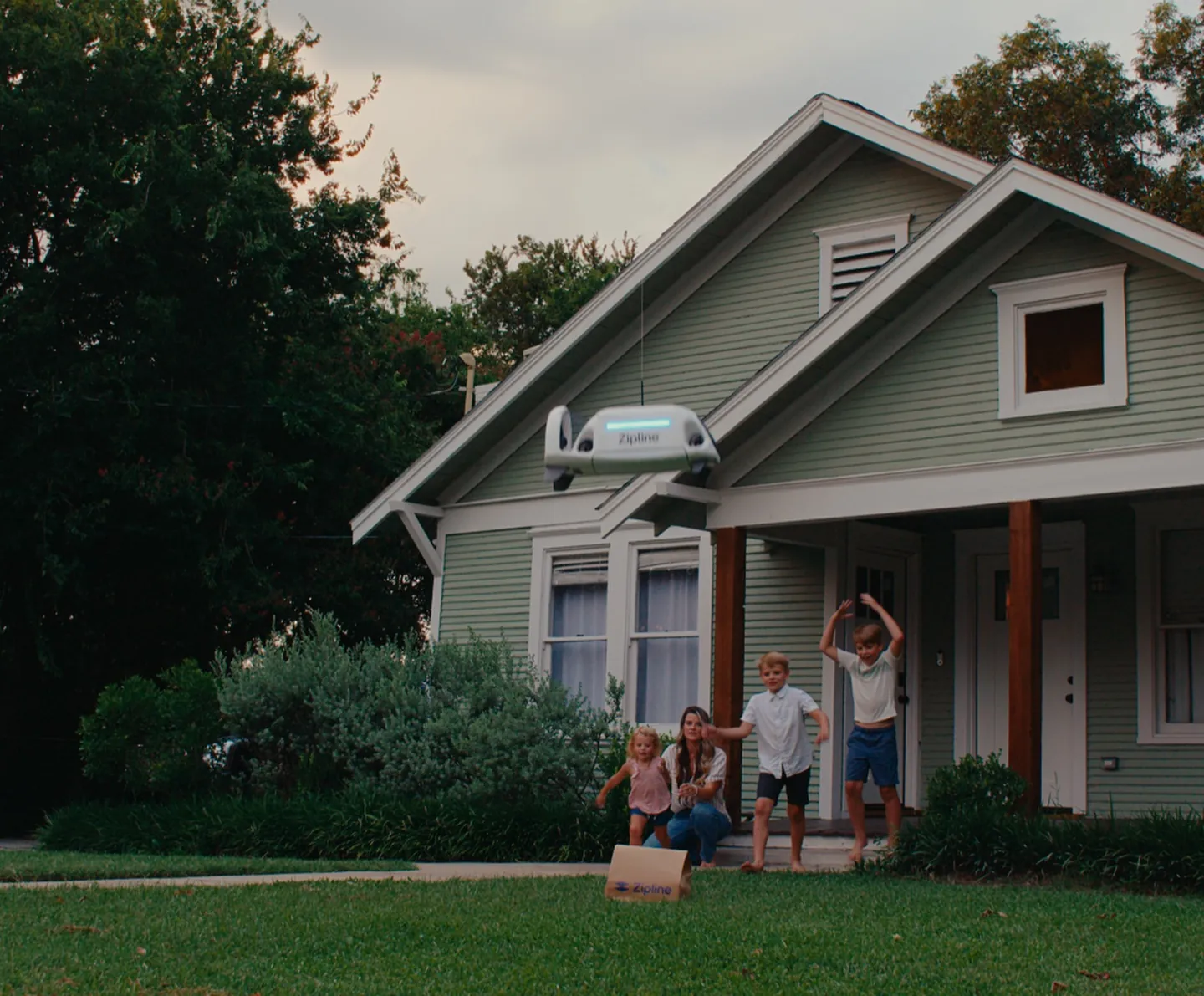
Drone delivery company Zipline said on Nov 5 that it raised $1.5 billion at a $21.5 billion post-money valuation, led by Paradigm, WCM Investment Management and Layer Global, to expand US manufacturing and hiring for a nationwide network.
The valuation is about 2.8 times the $7.6 billion of its January round (MEKAWIRE calc.). Zipline also said Walmart will launch 300 more sites with it under a new multi-year agreement and that Uber targets one million Zipline deliveries a day by 2029.
Zipline said in a press release on Nov 5 that it has raised $1.5 billion at a $21.5 billion post-money valuation. Paradigm, WCM Investment Management and Layer Global led the round, with Valor Equity Partners, Fidelity Management & Research Company, Uber, Tiger Global, J.P. Morgan, ARK Invest and Salesforce Ventures taking part. The South San Francisco company said it will use the money to expand its US manufacturing facilities and hire as it builds a nationwide drone delivery network.
The price is the news. In January Zipline raised more than $600 million at a $7.6 billion valuation, so investors now value the company about 2.8 times higher less than ten months later (MEKAWIRE calc., 21.5 divided by 7.6).
What the investors are paying for
Zipline pointed to two large customers. Walmart and Zipline are working together to launch 300 additional sites under a new national multi-year agreement, and Uber is targeting one million deliveries a day with Zipline by 2029. Zipline said it made more than one million deliveries in the Dallas-Fort Worth area alone this year and that its median order in October arrived 19 minutes after checkout. A group of its longest-standing restaurant customers saw Zipline's share of their delivery revenue rise from 10.8% to 34.9% between March and October, by the company's account.
The company says it has flown 150 million commercial autonomous miles without a safety incident, has introduced a next-generation aircraft that carries heavier orders over longer distances, and is building a national medical delivery network in Côte d'Ivoire expected to serve more than 2,200 health facilities.
- Jun 30, 2021
- $250m
- $2.75bn
- Fidelity, Intercorp, Emerging Capital Partners, Reinvent Capital, Baillie Gifford, Temasek, Katalyst Ventures
- Jan 21, 2026
- More than $600m, plus $200m in March
- $7.6bn
- Fidelity, Baillie Gifford, Valor Equity Partners, Tiger Global and others
- Nov 5, 2026
- $1.5bn
- $21.5bn post-money
- Paradigm, WCM, Layer Global (leads); Valor, Fidelity, Uber, Tiger Global, J.P. Morgan, ARK Invest, Salesforce Ventures
Zipline announcements (MEKAWIRE funding database for 2021 and January 2026). Step-up from $7.6bn to $21.5bn is a MEKAWIRE calculation.
As of Nov 14, 2026
MEKAWIRE analysis: the valuation now prices a network, not a drone
Investors are paying for Zipline's Walmart and Uber contracts more than for its aircraft, and the round turns US drone delivery into a manufacturing race.
The new round is about 1.9 times the January round, which Zipline extended by $200 million in March to about $800 million, according to a Baillie Gifford report, so Zipline has raised at least $2.3 billion in 2026 (MEKAWIRE calc., $1.5 billion plus about $800 million). One day later, on Nov 6, Alphabet's Wing said it will invest up to $125 million over two years in a Fort Worth, Texas plant with capacity for tens of thousands of aircraft a year (our story). Both companies serve Walmart and both are spending on US factories, so the contest is shifting from aircraft design to who can build and staff sites fastest.
The counter-argument is that the customer numbers are targets. Uber's one million deliveries a day is a 2029 goal, the 300 Walmart sites are still to launch, and Zipline does not disclose revenue, so the 2.8x step-up rests on contracts and growth rates the company reports itself. Company page: Zipline.
Bull case: Walmart's 300 sites open on schedule and Uber deliveries, which the two companies said in August would begin later in 2026, scale toward the 2029 target, justifying the price. Bear case: site launches slip on local approvals and the valuation runs ahead of revenue for years. Signals to watch: the first Uber delivery markets, the pace of new Walmart site launches, and a US rule for flights beyond visual line of sight.
- Target of 1 million Zipline deliveries a day by 2029
- Paradigm, WCM Investment Management, Layer Global
- $1.5bn at $21.5bn post-money valuation (Nov 5, 2026)
- About 2.8x the $7.6bn valuation of January 2026 (MEKAWIRE calc.)
- 300 additional sites under a new multi-year agreement
- US manufacturing expansion and hiring
- More than 1 million deliveries in 2026
Why it matters
Zipline's $1.5 billion raise funds US manufacturing expansion and hiring, linking fresh capital to its nationwide network plan. Walmart's agreement adds 300 planned sites, while Zipline reports more than one million Dallas-Fort Worth deliveries in 2026. Uber's target of one million Zipline deliveries daily by 2029 is a future ambition, not current throughput.
Rival analysis
Wing also delivers Walmart orders in US metros, making Walmart a shared commercial channel rather than an exclusive Zipline advantage. The supplied material gives no comparable Wing delivery volumes, costs or expansion commitments. Investors therefore cannot establish operating leadership from Zipline's financing size alone.
Valuation context
The $21.5 billion figure is a disclosed post-money financing valuation, not a public-market capitalization. It is about 2.8 times January's $7.6 billion valuation, a MEKAWIRE calculation. Revenue, margins and cash burn are absent, preventing valuation-multiple or runway analysis. The listed $1.75 billion total funding is not reconciled with the November raise, January financing and earlier rounds.
Related papers
No research papers are supplied; the references are company announcements and a financial report. They provide no independent technical evidence on reliability, autonomy performance or delivery economics.
Supply-chain implications
Zipline designs, builds and operates its drones, and the funding explicitly supports US manufacturing expansion and hiring. Supplier identities, component sourcing, production capacity and manufacturing lead times are not supplied. Those omissions limit assessment of whether aircraft availability can support the planned site rollout.
Signals to watch
Track how many of Walmart's 300 additional sites actually launch and the delivery volume each supports. Compare Uber's progress with its stated 2029 daily delivery target, keeping targets separate from completed deliveries. Manufacturing output, cash burn and delivery margins would help test whether expansion is financially sustainable, but none is supplied.
Analyst view
The financing and Walmart agreement strengthen Zipline's resources and planned distribution footprint. The valuation step-up places greater weight on execution, yet the supplied facts do not establish profitable delivery economics. The investment case depends on converting planned sites into sustained utilization with manageable capital requirements.
Questions you should be asking
What are the launch schedule, committed volumes and commercial terms for Walmart's 300 additional sites? What manufacturing capacity and cash runway does the raise fund? What delivery cost, margin and utilization assumptions underpin Uber's 2029 target?