How much does a humanoid robot cost in 2026? From $2,490 to $80,000, and why the industrial ones have no price tag
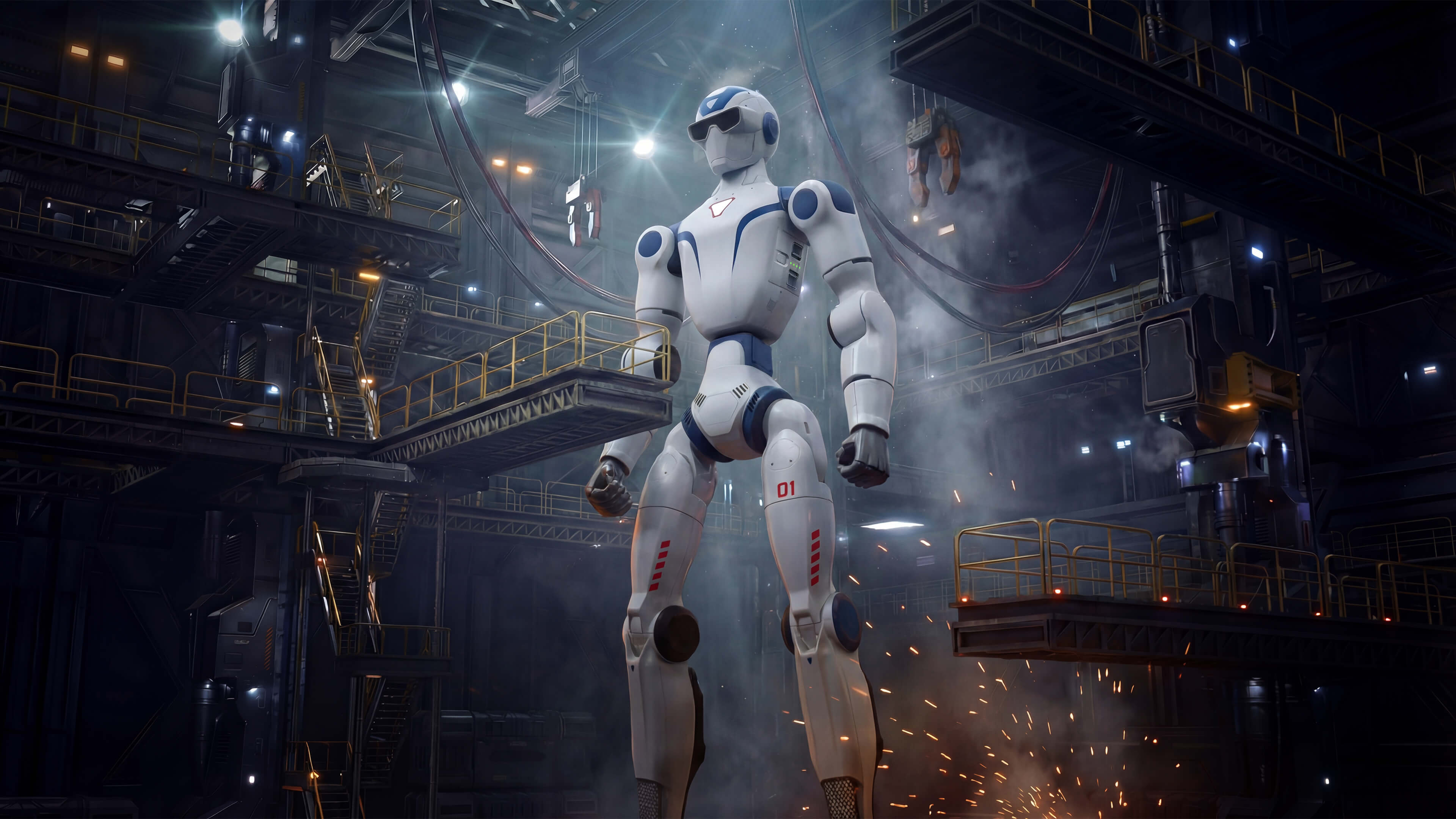
A humanoid robot you can order today costs between $2,490 (Faraday Future's FF Nova developer robot) and about $30,000 (Unitree's full-size H2), with Unitree's R1 at $5,900, its G1 at $13,500 and 1X's NEO home robot at $20,000 or $499 a month.
The humanoids aimed at factory and warehouse labour, Figure's robots and Agility's Digit among them, have no public list price and are sold through contracts. MEKAWIRE compares every verified price in its database and explains what the list price says about who each company is selling to.
A walking humanoid robot now costs less than a mid-range laptop at the bottom of the market and about as much as a small car at the top. Faraday Future said on Oct 15 that its FF Nova developer humanoid sells for $2,490; Unitree lists its R1 at $5,900, its G1 at $13,500 and its 182 cm H2 at $29,900; 1X takes orders for the NEO home robot at $20,000 or $499 a month.
What none of those numbers tells you is what a humanoid that does paid work costs. Figure AI, valued at $39 billion, and Agility Robotics, which is heading to Nasdaq, publish no list price at all. This explainer sets out every humanoid price MEKAWIRE has verified on a maker's own page or filing, and what the gap between the two groups means for buyers and investors.
The price list, from the makers' own pages
- FF Nova
- Faraday Future / FFR (US)
- Bipedal, 20 DoF
- 2,490
- Invitation sales to developers and schools
- Release, Oct 15, 2026
- R1
- Unitree (CN)
- Bipedal
- 5,900
- Outright purchase
- unitree.com/R1
- G1
- Unitree (CN)
- Bipedal
- 13,500
- Outright purchase
- unitree.com/g1
- NEO
- 1X Technologies (US)
- Bipedal home robot
- 20,000 or 499/month
- Purchase or subscription
- 1x.tech/order
- H2
- Unitree (CN)
- Bipedal, 182 cm
- 29,900
- Outright purchase
- unitree.com/H2
- RB-Y1
- Rainbow Robotics (KR)
- Wheeled, two arms
- 80,000
- Research pre-orders
- Rainbow release
- Digit v5
- Agility Robotics (US)
- Bipedal
- Not published
- Customer contracts tied to milestones
- Form S-4, Sept 4, 2026
- Figure robots
- Figure AI (US)
- Bipedal
- Not published
- Commercial deployments (BMW)
- Figure releases
List prices as published by the maker; taxes, shipping and options excluded. Disclosed, not estimated.
As of Oct 16, 2026
Three price bands stand out. Below $6,000 sit robots built for developers, classrooms and hobbyists: FF Nova at $2,490 plus a $390 developer skills package, and Unitree's R1, launched in July 2025 at RMB 39,900. Between $13,500 and $30,000 sit research and early-commercial platforms, Unitree's G1 and H2 and the NEO home robot. Wheeled two-armed machines that borrow the humanoid upper body cost more: Rainbow Robotics' RB-Y1 bimanual mobile manipulator was offered to researchers at $80,000.
The ladder inside a single company is instructive. Unitree's R1 costs 44% of a G1, and the H2 costs 2.2 times a G1. That spread buys height, joint count and payload, not a different business model: all three are sold outright as hardware.
Why the industrial humanoids have no price
The robots built to replace hours of human labour are sold differently. Agility's Form S-4, filed on Sept 4, showed 2025 net sales of $1.78 million against a net loss of $138.1 million, and a single customer commitment of $300 million for Digit v5 tied to contractual milestones. Figure has announced deployments at BMW but no unit price. In both cases the buyer is paying for an outcome, a number of robot-hours or completed tasks with service attached, and the hardware cost is buried in that contract.
MEKAWIRE analysis: a humanoid's list price tells you who the maker is selling to, not what the robot can do. Sub-$6,000 robots are a developer and education market; the labour-substitution market has no list price because its customers buy uptime, not machines.
MEKAWIRE analysis: what the numbers say
- Unitree R1 vs G1
- 44%
- 5,900 / 13,500
- Unitree H2 vs G1
- 2.2x
- 29,900 / 13,500
- Top vs bottom bipedal list price
- 12x
- H2 29,900 / FF Nova 2,490
- NEO subscription months to equal purchase
- about 40
- 20,000 / 499
- A $20,000 robot after 10 years at -3% a year
- about 14,750
- 20,000 x 0.97^10 (Anthropic's historical rate)
Computed by MEKAWIRE from the verified prices in table 1.
As of Oct 16, 2026
The 1X NEO is the only robot in our data offered both ways. At $499 a month against a $20,000 purchase price, a buyer reaches the purchase price after about 40 months of payments ($20,000 / $499). That subscription option is the clearest public sign that home and service robots will be priced like phones on contract, not like appliances.
The strongest counter-argument is that cheap hardware will pull the industrial market down with it. Anthropic economists estimated in September that robots are technically able to perform 74% of US physical tasks but are cheaper than human labour for only 0.3% of them, and that at the historical 3% yearly decline in robot prices it would take about 40 years to reach 10%. On that pace a $20,000 robot would still cost about $14,750 in ten years ($20,000 x 0.97^10). The Chinese price cuts led by Unitree are much steeper than 3% a year, which is the bull case; the bear case is that the price of the body was never the binding cost, and that integration, safety certification and uptime decide the economics.
What would change our view
Three dated signals. Agility's first quarterly report as a listed company, expected after its November Nasdaq debut, would show revenue per deployed robot for the first time. 1X's first US NEO deliveries, promised for 2026, would reveal what share of buyers choose the subscription. And if Unitree or another Chinese maker publishes a price for a factory-grade humanoid with a service contract, the gap between the two price worlds would start to close.
- $20,000 purchase or $499 a month; pre-orders opened Oct 2025, US deliveries promised in 2026
- R1 = 44% of G1; H2 = 2.2x G1; NEO subscription reaches purchase price after about 40 months
- Anthropic (Sept 2026): robots cheaper than labour for 0.3% of US physical tasks at today's prices
- R1 $5,900, G1 $13,500, H2 $29,900 (unitree.com product pages)
- Figure and Agility publish no list price; Agility's S-4 shows $1.78m 2025 sales and a $300m Digit v5 customer commitment
- $80,000 bimanual mobile manipulator for AI researchers
- FF Nova, $2,490 plus a $390 developer skills package (Faraday Future and FFR release, Oct 15, 2026)
Why it matters
Investors read falling humanoid prices as proof that the labour-substitution market is near. Our data says the two markets are separate: published prices belong to developer, education and home robots sold as hardware, while the industrial programmes that justify $39 billion and $2.5 billion valuations sell service contracts with no public unit price.
That changes how to read a price cut. A cheaper R1 widens the developer base and the data pool for Chinese makers; it does not by itself make a warehouse deployment cheaper, because integration, safety approval and uptime guarantees are priced separately.
Rival analysis
Unitree owns the price ladder from $5,900 to $29,900 and is now listed in Shanghai, which gives it capital to keep cutting. Faraday Future's FF Nova undercuts the R1 by 58% but gives no height, battery life, manufacturer or delivery date, so it is not yet a like-for-like rival. 1X is the only Western maker with both a list price and a subscription. Agility and Figure compete on contract terms that are not public.
Valuation context
Agility's S-4 values the company at $2.5 billion pre-money on 2025 sales of $1.78 million; Figure's last round valued it at $39 billion. Neither valuation can be checked against unit economics because neither company publishes a price per robot or per robot-hour. Unitree's STAR Market listing raised RMB 6.1 billion at 219 times earnings on a hardware business with public prices.
Supply-chain implications
Low list prices depend on Chinese actuator, reducer and battery supply. Western makers selling below $10,000 will either buy those parts or accept thinner margins; tariff exposure is a risk for US developer robots priced against Unitree.
Signals to watch
Agility's first quarterly report after its November Nasdaq debut (revenue per deployed robot). 1X NEO first US deliveries in 2026 and the share sold on subscription. Any published service price for a factory humanoid from a Chinese maker.
Analyst view
Thesis: list price signals the target buyer, not capability. Confidence medium: the price data is solid, but the industrial contract terms that would test the thesis are not disclosed.
Questions you should be asking
For Agility: what does a Digit robot-hour cost a customer under the $300 million commitment? For 1X: what share of NEO orders are subscriptions? For Faraday Future: who manufactures FF Nova, and when does it ship?