Remedy Robotics raises $62M Series B led by DCVC for its N1 endovascular robot
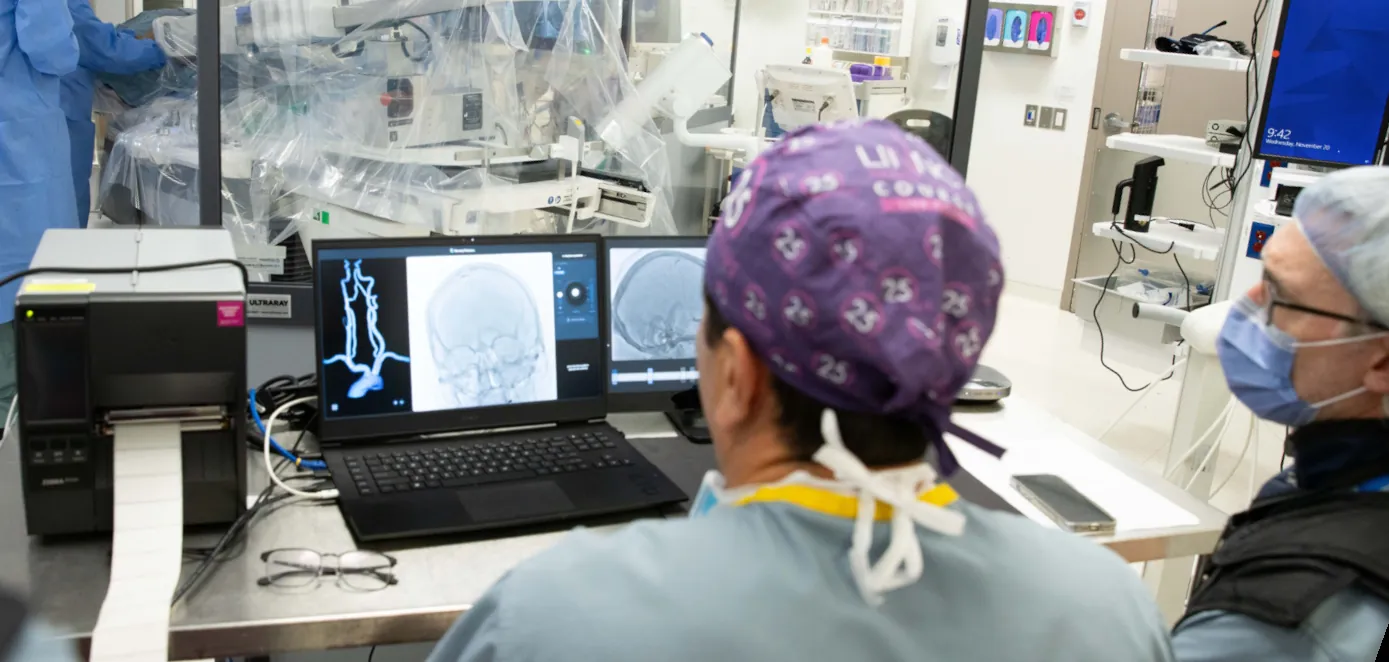
Remedy Robotics, a San Francisco developer of robots for catheter-based stroke and heart procedures, said in a press release dated Nov 16 that it raised $62 million in a Series B round led by DCVC. The company said the money will fund a planned pivotal clinical trial with the University of California, work toward FDA approval for neurovascular intervention and prototype N1 deployments with clinical partners.
The N1 is not available for sale or clinical use in any jurisdiction.
Remedy Robotics said on Nov 16 that it had raised $62 million in Series B funding led by DCVC. UC Investments, the University of California's investment office, Skip Capital and the Australian pension fund Hostplus joined as new investors, and Build Collective by Tony Fadell, Blackbird, Divergent Capital and KdT Ventures put in more money. The investor list at the end of the press release also names Bioshore, Oakwood Strategic Capital, Cliffs, Boost VC and HESTA as new backers. The company did not disclose a valuation.
The release lists three uses for the money: a planned pivotal clinical trial with the University of California, advancement toward FDA approval for neurovascular intervention, and deployment of prototype N1 Systems across its clinical partners, including SVIN Mission Thrombectomy and the Australian Stroke Alliance. Work on the system's AI and autonomous functions continues alongside. No trial start date was given.
A robot meant to bring the specialist to the patient
Remedy describes the N1 as a robotic platform and software suite that uses machine learning to analyse preoperative imaging, simulate cases in advance, register 3D and 2D images in real time and complete entire endovascular procedures robotically. It is designed for on-site, remote or autonomous operation. The company stresses that the N1 is under development and not available for sale or clinical use anywhere.
The company says it works with more than 100 hospitals and holds 48 patents. Its website lists first-in-human procedures in December 2024, and in October 2025 Remedy announced what it called the world's first fully remote neurointerventional procedures with the N1. Chief technology officer Jake Sganga said in the release that the funding will also go to new features, including full autonomy, and that the company has worked with University of California clinicians since 2021.
The pitch rests on access. The release says just 2.8 percent of eligible stroke patients worldwide have access to endovascular treatment, because only specialists at a small number of hospitals can perform it.
Where the round sits among medical robot rounds
- CMR Surgical
- GB
- 2026-10-12
- Strategic investment
- 400
- Distalmotion
- CH
- 2025-11-18
- Series G
- 150
- Wandercraft
- FR
- 2025-06-11
- Series D
- 75
- Ronovo Surgical
- CN
- 2025-09-05
- Series D
- 67
- Remedy Robotics
- US
- 2026-11-16
- Series B
- 62
- ZAP Surgical Systems
- US
- 2026-10-19
- Financing
- 36
Rounds with a disclosed amount, from company releases and filings MEKAWIRE has covered. Virtual Incision's Oct 2026 Form D ($35.1M) is left out because $31.1M of it was note conversions.
As of Nov 17, 2026
Of the six medical and surgical robot rounds of $35 million or more in new funding that MEKAWIRE has recorded since June 2025, Remedy's ranks fifth and is the only Series B; the four larger rounds were two Series D rounds, a Series G and a strategic investment (MEKAWIRE calc. from the table). Investors are paying later-stage money for a company whose product has no regulatory clearance yet.
MEKAWIRE analysis
The money buys a clinical trial and a remote-care network, not a finished product: the N1's value depends on the University of California pivotal trial and the FDA path, both still ahead.
The counter-argument is speed. Remote endovascular procedures need hospital networks, reliable links and regulators willing to accept a physician who is not in the room, and the release gives no timetable for any of these. Autonomy is listed as a development goal, not a capability in clinical use.
What to watch: the start date of the planned UC pivotal trial, any FDA submission for neurovascular intervention, and the first prototype N1 deployments with SVIN Mission Thrombectomy and the Australian Stroke Alliance. Company page: Remedy Robotics.
- $62 million Series B
- 48 (company figure)
- DCVC
- N1 investigational, not for sale or clinical use
- UC Investments, Skip Capital, Hostplus and others
- more than 100 (company figure)
- 2.8% of eligible patients worldwide (company figure)