Machenta raises USD 40M seed for robots that learn a task from one demonstration
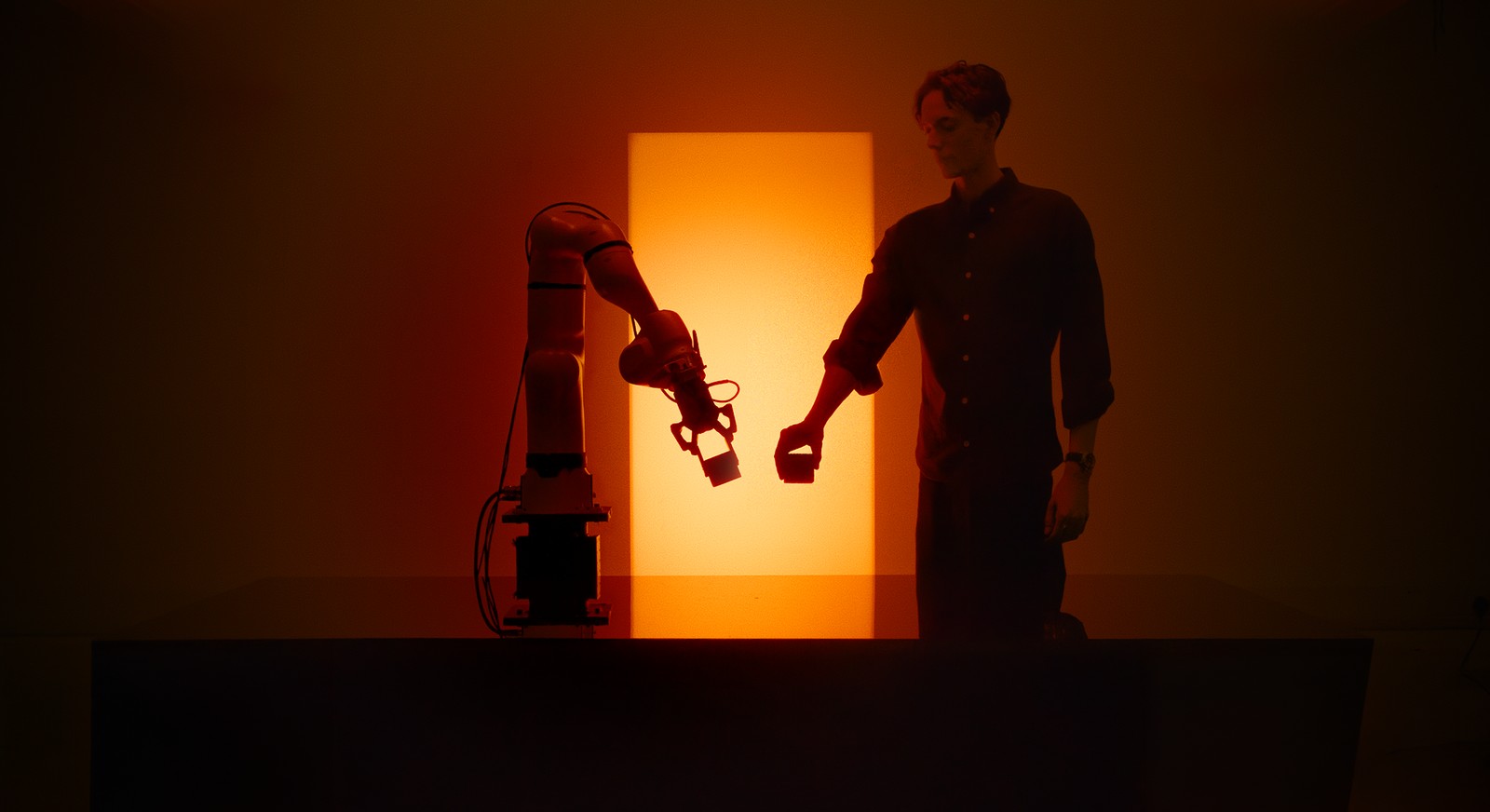
Machenta, a spinout of Imperial College London's Robot Learning Lab, has raised a USD 40 million seed round co-led by Creandum and Union Square Ventures, Imperial said on Oct 27, calling it the largest seed raise by a UK robotics start-up.
Its model is pre-trained only on simulated data and lets a robot perform a new task after a single demonstration, without post-training. In MEKAWIRE's database it is the largest UK seed round and the fifth-largest robotics seed or pre-seed round worldwide in 18 months.
Machenta, a company spun out of Imperial College London's Robot Learning Lab, has raised USD 40 million in a seed round co-led by Creandum and Union Square Ventures, the university said on Oct 27. Imperial called it the largest seed raise ever by a UK robotics start-up. The money pays for one bet that runs against most of the robot-model field: that a robot should learn a new task from a single demonstration, from a model that has never seen real-world training data.
What the money buys
Machenta says it will use the round to scale its model and expand its team at a new office and lab in King's Cross, London. No valuation or other investors were disclosed. The company was founded by Professor Edward Johns, who runs the Robot Learning Lab and is chief executive, and his former PhD student Vitalis Vosylius, with colleagues from the lab. Johns began the group's work on one-shot robot learning six years ago; the company itself is less than a year old, according to its website.
One demonstration instead of post-training
Today's vision-language-action models are usually post-trained on many real demonstrations of each task, which Machenta's launch post says takes days or weeks per task. Machenta replaces the language instruction with a demonstration: its vision-demo-action model takes one example of the task plus a live camera stream and outputs actions in a closed loop. Training is designed so the weights learn how to learn a task rather than memorise one, and the data that makes this possible is generated in simulation. The work builds on the lab's Implicit Graph Alignment (CoRL 2023) and Instant Policy (ICLR 2025) papers. Imperial says the team has shown a single model learning tasks such as packing and tidying across robots including humanoids; the company has not published success rates for the commercial model and offers early access by registration.
Why it matters
- Walden Robotics
- US
- Seed
- 300.0
- 2026-07-15
- General Intuition
- US
- Seed
- 133.7
- 2025-10-16
- Dream Labs
- US
- Seed
- 90.0
- 2026-10-19
- Generative Bionics
- IT
- Seed
- 81.0
- 2025-12-09
- Machenta
- GB
- Seed
- 40.0
- 2026-10-27
- Enact
- CH
- Pre-seed
- 30.0
- 2026-10-22
- Maxinsights
- US
- Seed
- 30.0
- 2026-10-22
Verified funding_rounds rows with round type seed or pre-seed and a disclosed USD amount, announced since late April 2025. Disclosed amounts, not estimates.
As of Oct 28, 2026
Seed rounds of this size are now common in robot learning. In MEKAWIRE's database Machenta's round is the fifth-largest robotics seed or pre-seed of the last 18 months, behind four US and Italian rounds, and the largest UK seed; the only bigger UK robotics round this year is Humanoid's USD 152 million Series A. The strategic contrast is with Skild AI, Physical Intelligence and others that Machenta itself names as pursuing in-context learning by scaling real-world data collection. Machenta argues simulation is the faster route to the diversity such a model needs. If one demonstration really replaces days of post-training, the cost of deploying a robot to a new task falls sharply for integrators and factories with small batches. The test is published, repeatable success rates on unseen objects and real industrial tasks, which the early-access programme should start to provide.
- Largest seed raise by a UK robotics start-up, per Imperial College London
- Creandum and Union Square Ventures (co-leads)
- USD 40 million seed, announced Oct 27, 2026
- Prof. Edward Johns (CEO) and Vitalis Vosylius, from Imperial's Robot Learning Lab
- Vision-demo-action model: one demonstration replaces language instructions and task-specific post-training
- Scale the model and grow the team at a new office and lab in King's Cross, London
- Pre-trained entirely in simulation, no real-world training data